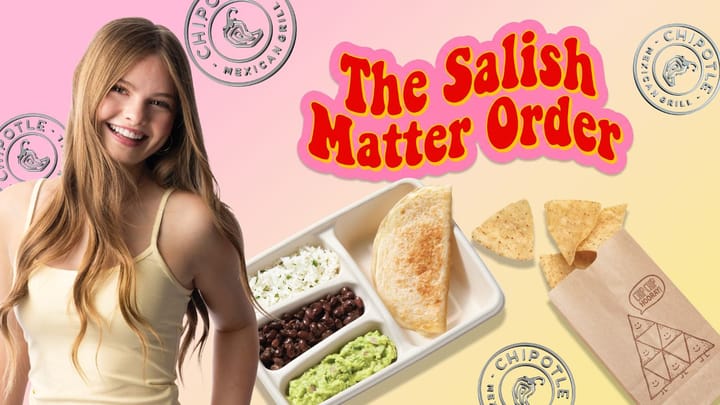
Chipotle's partnership with YouTube sensation Salish Matter marks a deliberate pivot toward Gen Alpha consumers, the demographic born between 2013 and 2025 who now wield surprising purchasing power and brand loyalty. The collaboration pairs the burrito chain with Matter, whose YouTube channel boasts millions of followers and whose skincare line demonstrates her ability to build profitable ventures beyond content creation.
This move reflects a broader restaurant industry trend. Fast-casual chains no longer view influencer partnerships as optional marketing experiments. They represent essential infrastructure for reaching younger diners who skip traditional advertising entirely. Gen Alpha watches YouTube, TikTok, and Instagram. They trust creators more than celebrity endorsements or corporate messaging. Chipotle recognized this shift and acted.
Matter's influence extends beyond subscriber counts. Her skincare brand proves she can convert audience attention into commerce. Brands want collaborators who understand monetization, not just entertainment. Chipotle gains access to an audience predisposed to trust her recommendations. When Matter orders a burrito bowl on video, her followers notice. Many replicate the order.
The fast-casual sector already operates in influencer territory. Chipotle's previous campaigns leaned into digital natives and social media virality. This partnership escalates that strategy by embedding it into content creation itself. Matter's audience expects authentic product integration. They resist heavy-handed advertising but embrace creator-endorsed experiences.
Gen Alpha differs from millennials and Gen Z in meaningful ways. They grew up entirely within algorithmic feeds. They lack memory of a non-digital world. They consume content differently, engage differently, and make purchasing decisions based on creator endorsement rather than brand heritage or advertising spend. A teenager watching Salish Matter doesn't see her as a hired spokesperson. She's a trusted peer recommending lunch.
The financial implications matter. Gen Alpha's purchasing power grows annually. Parents spend on their preferences. Retailers compete for their loyalty now because these consumers will drive spending for decades. A Chipotle customer acquired at age twelve returns as a regular at twenty-five. Chipotle invests in future revenue by building Gen Alpha habit formation today.
Salish Matter's skincare success demonstrates that creator influence transcends categories. If she can sell face masks, she can influence food choices. Her brand identity centers on authenticity and relatability. Chipotle's offering of fresh ingredients and customization aligns with values Gen Alpha associates with transparency and control. The collaboration feels natural rather than forced.
Other restaurant chains will follow. Expect more YouTube creators, TikTok stars, and emerging influencers negotiating menu collaborations and exclusive content drops. Chipotle simply moved first, establishing the playbook.
The partnership also signals that traditional marketing dollars face diminishing returns among younger audiences. A Chipotle commercial on broadcast television reaches fewer Gen Alpha viewers than a single Salish Matter video. Money flows toward measurable influence and creator partnerships. Production value matters less than authenticity and audience trust.
This collaboration announces that fast-casual dining now operates within creator economy rules. Restaurants compete not just on food quality or convenience, but on their ability to integrate seamlessly into the content their target customers already consume. Chipotle's choice of Salish Matter demonstrates they understand where Gen Alpha lives and how to reach them there.