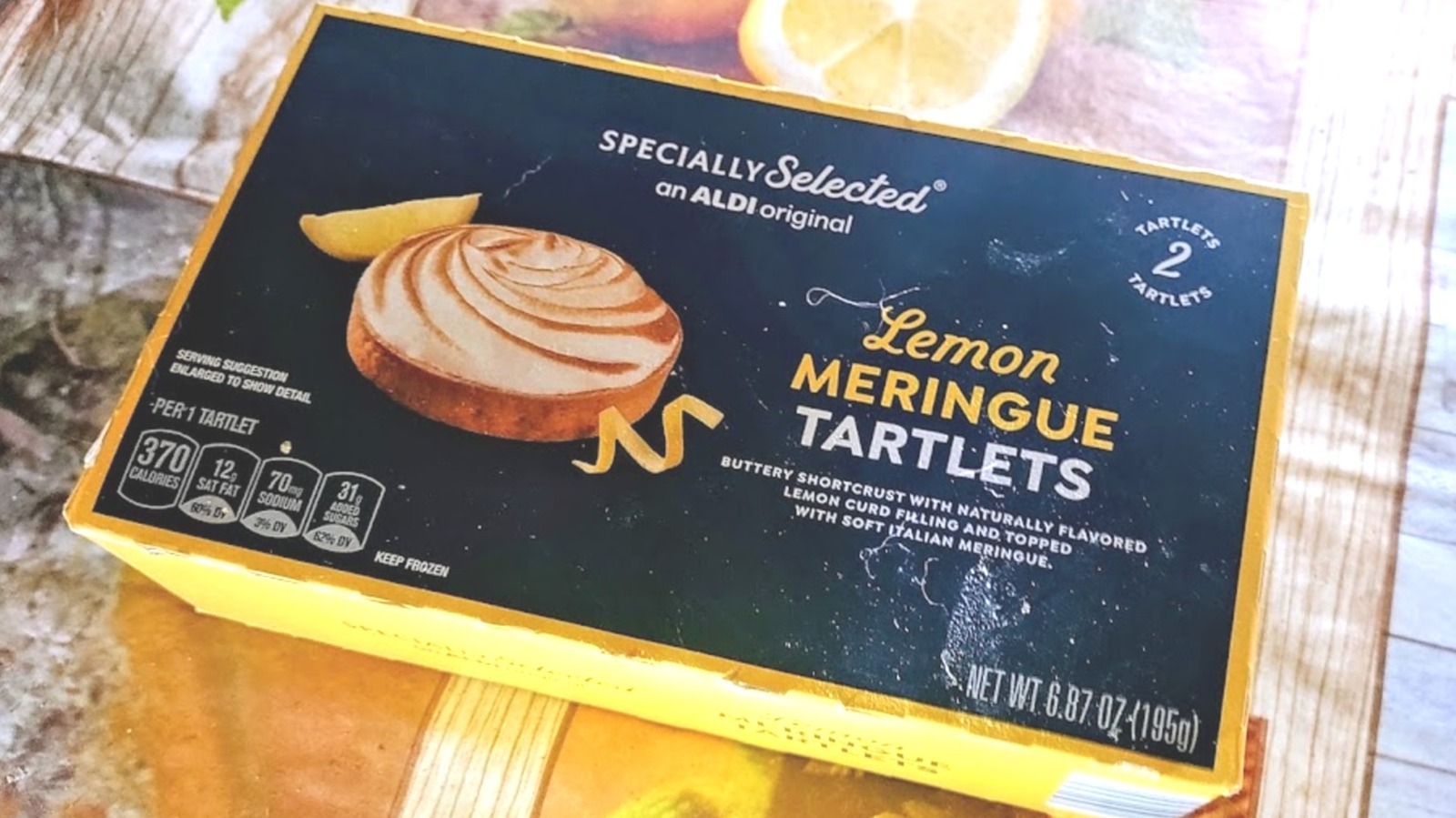
Aldi's latest addition to its growing line of desserts reveals the tension between budget pricing and quality execution. The lemon meringue tarts, stocked in the retailer's rotating special buys section, deliver on flavor but stumble on texture and structural integrity.
The filling hits the mark. The lemon curd inside carries genuine citrus brightness, sharp enough to cut through sweetness without veering into artificial territory. The meringue topping browns properly, developing that signature slight char that signals proper baking. These elements alone suggest competent pastry work in Aldi's test kitchens.
The critical problem emerges with the tart shell itself. The pastry lacks structural rigidity, turning soggy within hours of purchase. The filling's moisture seeps into the base, transforming what should be a crisp foundation into a soft, almost mushy disappointment. This flaw undermines the entire product. No amount of bold lemon flavor compensates for a crumbling, wet base that falls apart on the fork.
Aldi shoppers expect value, and the price point here justifies some compromise. At roughly two dollars per tart, these sit well below the cost of bakery-quality versions or specialty frozen alternatives. Yet the soggy bottom problem feels less like budget necessity and more like a missed opportunity. A slightly thicker pastry or moisture barrier would solve the issue without meaningfully raising costs.
This reflects a broader pattern in Aldi's dessert strategy. The supermarket succeeds with items requiring minimal structural complexity. Brownies, cookies, and cakes perform well. Pastries that demand crispness and structural integrity often falter. The lemon meringue tarts land squarely in that second camp.
For customers seeking a quick dessert fix, they remain acceptable. Eat them immediately after purchase, and the contrast between crisp base