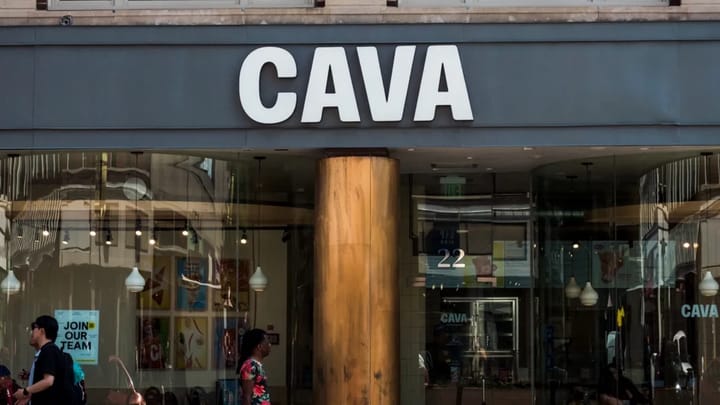
Fast-casual chains continue to dominate consumer spending while quick-service giants scramble to stay relevant. Cava and Chili's both delivered strong quarterly performances, capitalizing on diners' appetite for customizable bowls and casual sit-down experiences respectively. Meanwhile, McDonald's latest gambit to capture the energy drink market fell flat, signaling that the fast-food giant cannot simply import beverage trends without understanding their target audience.
The "Hot Ones" promotional tie-in, based on the popular YouTube show where celebrities eat progressively spicier wings, generated disappointing results. The collaboration, seemingly tailor-made for social media virality and younger demographics, struggled to convert awareness into sales. This represents a cautionary tale for restaurant chains betting on celebrity partnerships and internet cultural moments without solid execution or product integration.
Domino's, however, took a different approach by introducing Detroit-style pizza to its menu. The rectangular, crispy-bottomed slice represents a calculated expansion into regional pizza styles that have gained mainstream traction in recent years. Detroit pizza, characterized by its high-hydration dough and caramelized cheese edges, appeals to consumers seeking premium alternatives within the delivery space. This move acknowledges shifting preferences away from traditional round pies.
The divergence between these brands reflects broader restaurant industry dynamics. Cava's success stems from its customizable Mediterranean platform, allowing diners to build bowls aligned with dietary preferences. Chili's remains competitive through its casual-dining positioning and familiar comfort-food offerings. McDonald's struggles highlight the danger of chasing trends rather than leveraging core strengths.
Energy drinks represent a $60-billion category in North America, but McDonald's entry faced skepticism from consumers already invested in Red Bull, Monster, and local competitors. The brand's association with breakfast and coffee made an energy drink feel incongruent to its identity.
These shifts reveal consumer