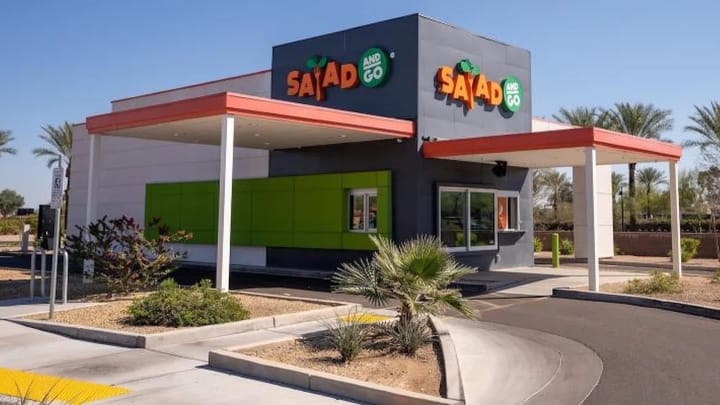
Salad and Go, the fast-casual drive-thru salad chain, has shuttered all locations and filed for Chapter 11 bankruptcy protection. The company blamed inflationary pressures, changing consumer preferences, and aggressive expansion for the collapse.
The Arizona-based chain, which pioneered the drive-thru salad concept with grab-and-go fresh bowls, operated hundreds of locations across the Southwest and Southeast. Its model attracted venture capital backing and early enthusiasm from health-conscious diners seeking quick, nutritious meals. Yet the economics ultimately failed to sustain the operation.
Inflation hit the chain hard on two fronts. Fresh produce costs surged, squeezing margins on salad-based meals already priced competitively against traditional fast food. Labor expenses climbed as well, pressuring the streamlined staffing model that made drive-thru execution possible. Consumer demand also shifted as post-pandemic spending patterns normalized and budget-conscious customers pulled back on premium-priced salads.
Overexpansion compounded these pressures. Salad and Go grew rapidly, opening locations faster than unit economics could support. The chain spread across new markets without sufficient demand density or brand recognition to fill seats or drive-thru lanes.
The bankruptcy marks a notable stumble for the fast-casual salad category. While chains like Sweetgreen and Chopt Atlantic continue operating, they've adjusted strategies, emphasizing location selectivity and premium positioning in urban markets. Salad and Go's mass-market, geography-agnostic approach proved vulnerable.
The closure affects hundreds of employees and raises questions about the viability of single-format restaurant concepts built on narrow menus. Fresh, wholesome eating remains a consumer desire, yet profitability demands either diverse revenue streams, strong unit economics, or reduced expansion ambitions. Salad and Go achieved none of these before seeking bankruptcy