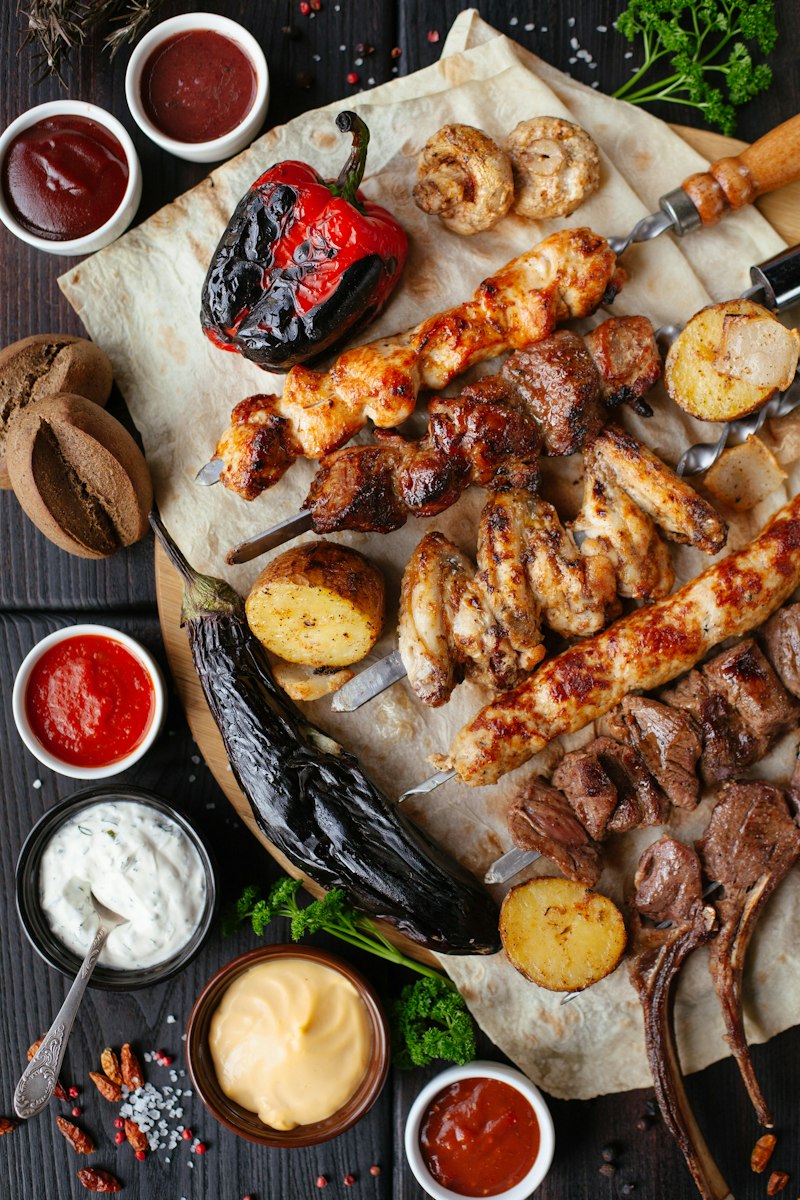
Every few months, a new nutritional trend arrives with the urgency of breaking news. Protein oatmeal for breakfast. Protein-spiked grains. Weight loss drugs that promise rapid transformation. Diet sodas that somehow taste better than ever. We're living in an era where the food industry has convinced us that optimization is the same thing as health, and speed is the same thing as progress.
Here's my unpopular take: restraint, not speed, may be the smarter strategy here.
I'm not arguing against nutrition science. Protein matters. Calories matter. The macronutrient balance of your meals matters. But somewhere between understanding nutrition and obsessing over it, we've lost something essential: the ability to simply eat food without treating every meal like a performance metric.
The current moment feels saturated with supplemental thinking. We're adding protein to things that didn't traditionally contain much protein. We're grabbing whatever new beverage promises the best macros. We're thinking about breakfast not as nourishment but as a hunger-fighting tactical maneuver. This framing turns eating into a constant series of small optimizations, each one a tiny victory against our own bodies.
The problem with speed-based nutrition thinking is that it mistakes novelty for progress. A new ingredient or product that helps you reach a goal faster feels like an upgrade. But faster at what cost? What are we sacrificing when we treat food primarily as a delivery mechanism for specific nutrients rather than as something with texture, flavor, cultural significance, and genuine satisfaction?
Consider how we approach weight loss now. The impulse toward speed has accelerated dramatically. Why take six months to lose weight through consistent choices when a drug might do it faster? But faster isn't always smarter, especially when the mechanism comes with trade-offs we're still learning about. The emerging conversation around muscle loss during rapid weight changes isn't a minor footnote. It's a reminder that our bodies are integrated systems, not optimization puzzles with a single correct answer.
The same logic applies to protein maximization. Yes, adequate protein intake matters for satiety, muscle maintenance, and metabolic function. But the cultural pressure to maximize protein in every meal, to turn humble oatmeal into a protein delivery system, suggests we've confused "good" with "more." There's a difference between eating well and eating in a state of constant self-improvement.
What gets lost in this speed-focused approach? The pleasure of a meal that doesn't need to justify itself through nutritional optimization. The satisfaction of eating slowly enough to actually taste what you're consuming. The understanding that your body doesn't need every breakfast to be a hunger-fighting hero. Sometimes breakfast is just breakfast.
Restraint here means something specific. It means asking whether you actually need the new trend before adopting it. It means recognizing that most people eating reasonably balanced meals don't need to engineer every component. It means accepting that good nutrition doesn't require constant innovation and supplementation.
The food industry will keep offering faster solutions, higher-protein versions of ordinary things, and novel trends that promise to transform your relationship with eating. Some of these products are fine. Some are genuinely useful. But the deeper cultural message matters too: that eating well is something that requires constant optimization, expert-level knowledge, and the latest products.
It doesn't have to be that complicated. Real restraint might look like eating a normal breakfast without treating it like a strategic intervention. Choosing foods you actually enjoy. Eating at a pace where satisfaction catches up with consumption. Trusting that your body can handle nutrition without quarterly upgrades.
Speed got us here. Maybe restraint gets us somewhere better.