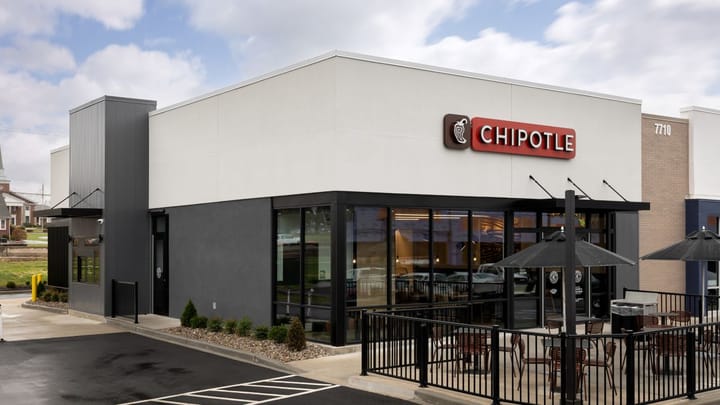
Chipotle's financial performance accelerated in recent weeks, delivering same-store sales growth that marks the chain's strongest performance since late 2024. The burrito giant credits menu innovation and targeted marketing for the momentum, signaling that its strategy to refresh customer appeal is working.
The company rolled out new menu items and promotional campaigns designed to drive traffic and boost average check sizes. These initiatives resonated with consumers, pushing comparable sales higher than prior periods and suggesting Chipotle's ability to compete in a crowded fast-casual landscape dominated by value-conscious diners.
However, gains on the top line mask persistent pressure on profitability. Food costs continue to climb, driven by inflation in key ingredients like beef, chicken, and produce. Labor expenses represent another drag, with wage pressures remaining acute across the quick-service restaurant sector. These dual headwinds compressed margins even as sales climbed, a pattern Chipotle shares with many restaurant operators navigating a challenging cost environment.
The results underscore the delicate balance modern chains must strike. Chipotle can drive sales through innovation and marketing, yet cannot fully pass cost increases to consumers without risking traffic declines. The company already operates with higher prices than many competitors, limiting room for further hikes without testing customer elasticity.
Chipotle's operational leverage remains a strength. Higher volumes help offset fixed costs, and the chain benefits from its relatively simple menu and efficient labor model compared to full-service restaurants. Still, margin expansion will require either stabilization in commodity and wage costs, productivity gains in stores, or a shift in the product mix toward higher-margin items.
The momentum reflects execution on strategy rather than a shift in the broader restaurant landscape. Competitors face identical cost pressures and similar customer dynamics. For Chipotle, sustaining this sales trajectory while protecting profitability will determine whether this period marks a inflection point or merely a