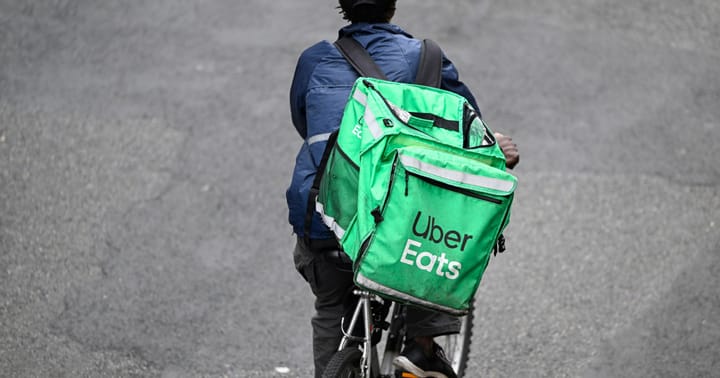
Uber Eats faces a class action lawsuit challenging its "direct to you" premium delivery service, which charges customers extra fees for what the company markets as priority, non-stop delivery. The lawsuit argues the service is deceptive because couriers routinely make multiple stops to deliver other orders before completing the customer's food delivery, undermining the core promise of the premium tier.
The plaintiff contends that customers pay a premium price believing their order receives expedited treatment with direct delivery. Instead, riders continue accepting additional deliveries along the same route, delaying the originally promised arrival time. This practice contradicts the service's fundamental marketing claim that distinguishes it from standard delivery options.
The case highlights growing tension between gig delivery platforms and consumers over transparency in service tiers. As delivery apps introduce tiered pricing structures, customers increasingly question whether premium options deliver genuine benefits or simply repackage standard service at higher prices.
Uber Eats' "direct to you" option sits between its base delivery service and premium tiers offered by competitors. The company markets the feature as a way to ensure faster, more reliable delivery for time-sensitive orders. However, the lawsuit suggests the company's operational practices contradict this messaging.
This legal challenge joins a broader pattern of scrutiny facing delivery platforms over misleading advertising and hidden fees. Other services face similar complaints about surge pricing, membership benefits, and service quality claims that don't match real-world delivery experiences.
For restaurants and customers, the outcome could reshape how delivery platforms structure and market their services. If courts find the marketing misleading, Uber Eats may need to revise its service descriptions or refund fees paid for "direct to you" deliveries. The case also pressures the company to either enforce stricter delivery protocols for premium tiers or acknowledge that multiple stops remain standard practice regardless of tier selection.
The lawsuit represents consumers' growing skepticism about delivery app pricing models and