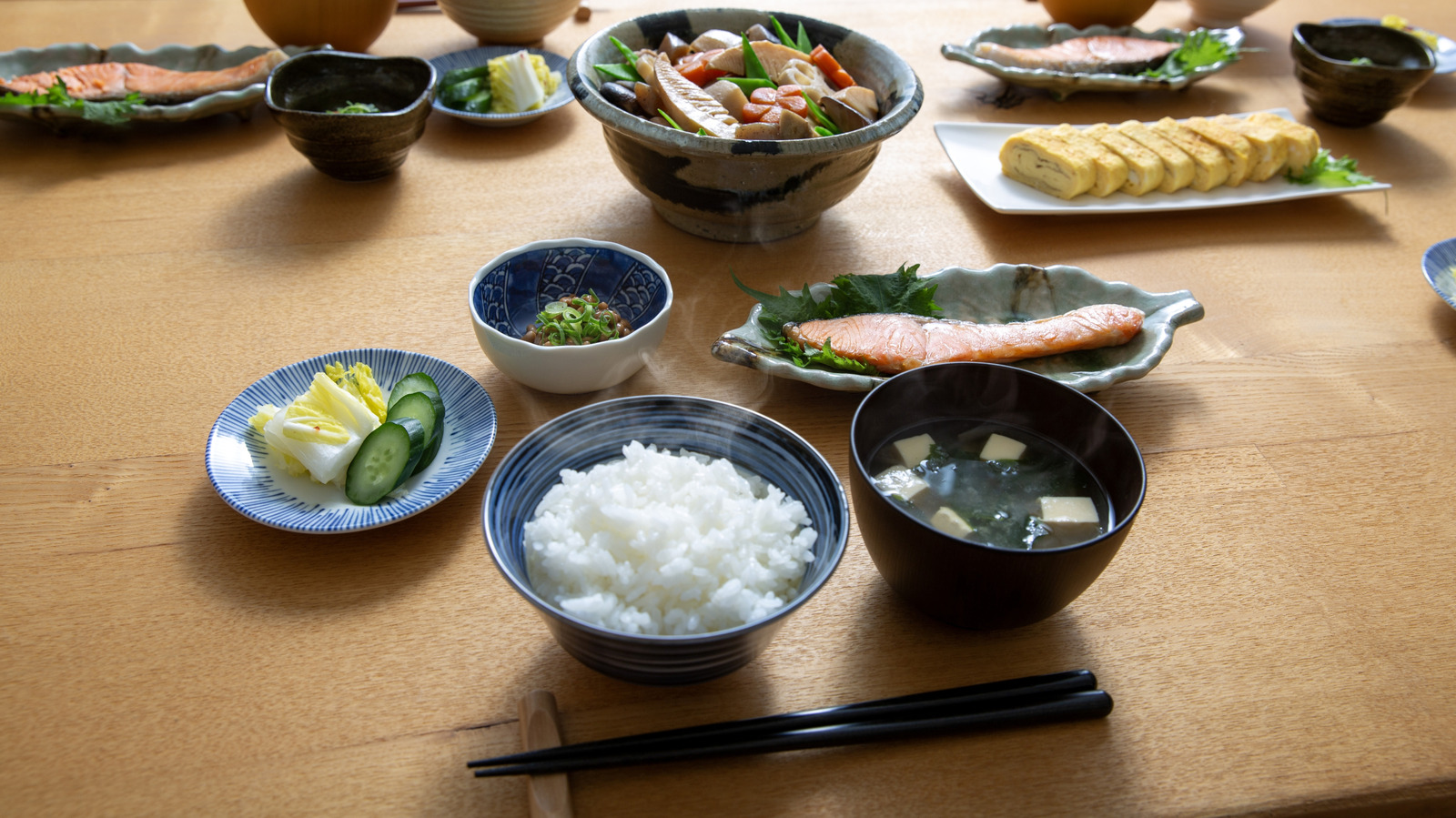
Japanese breakfast culture centers on protein-dense ingredients that fuel the body and satisfy the palate. While the article title hints at a specific Japanese ingredient, traditional morning meals in Japan typically feature natto, miso, grilled fish, eggs, and pickled vegetables alongside rice.
Natto, the fermented soybean paste, stands out as a particularly potent protein source. A single serving delivers roughly 17 grams of protein, plus probiotics that support digestion. The ingredient brings umami depth to rice bowls and pairs naturally with raw eggs, a breakfast staple across Japan.
This approach contrasts sharply with Western breakfast conventions. Where many Americans reach for pastries or sugary cereals, Japanese diners start the day with savory, balanced plates. A typical spread includes grilled fish like mackerel or salmon, providing omega-3 fatty acids and complete proteins. Rice forms the foundation, while miso soup adds warmth and additional fermented probiotics.
The nutritional logic runs deep. Japanese breakfast philosophy emphasizes sustained energy rather than quick carbohydrate spikes. Protein-forward meals stabilize blood sugar and keep hunger at bay through mid-morning.
Home cooks and restaurant chefs alike recognize natto's transformative potential. The ingredient requires minimal preparation, making it accessible for busy mornings. Simply stir it into warm rice, add a raw egg yolk, and dress with soy sauce and nori. The fermentation process develops complex flavors that elevate humble ingredients into something memorable.
Western breakfast trends increasingly borrow from Japanese traditions. Protein bowls, savory breakfasts, and fermented foods have moved from niche territory into mainstream consciousness. Home kitchens now stock miso, natto, and other Japanese pantry staples.
Incorporating Japanese breakfast principles means rethinking what belongs on the morning plate. Swapping sweet