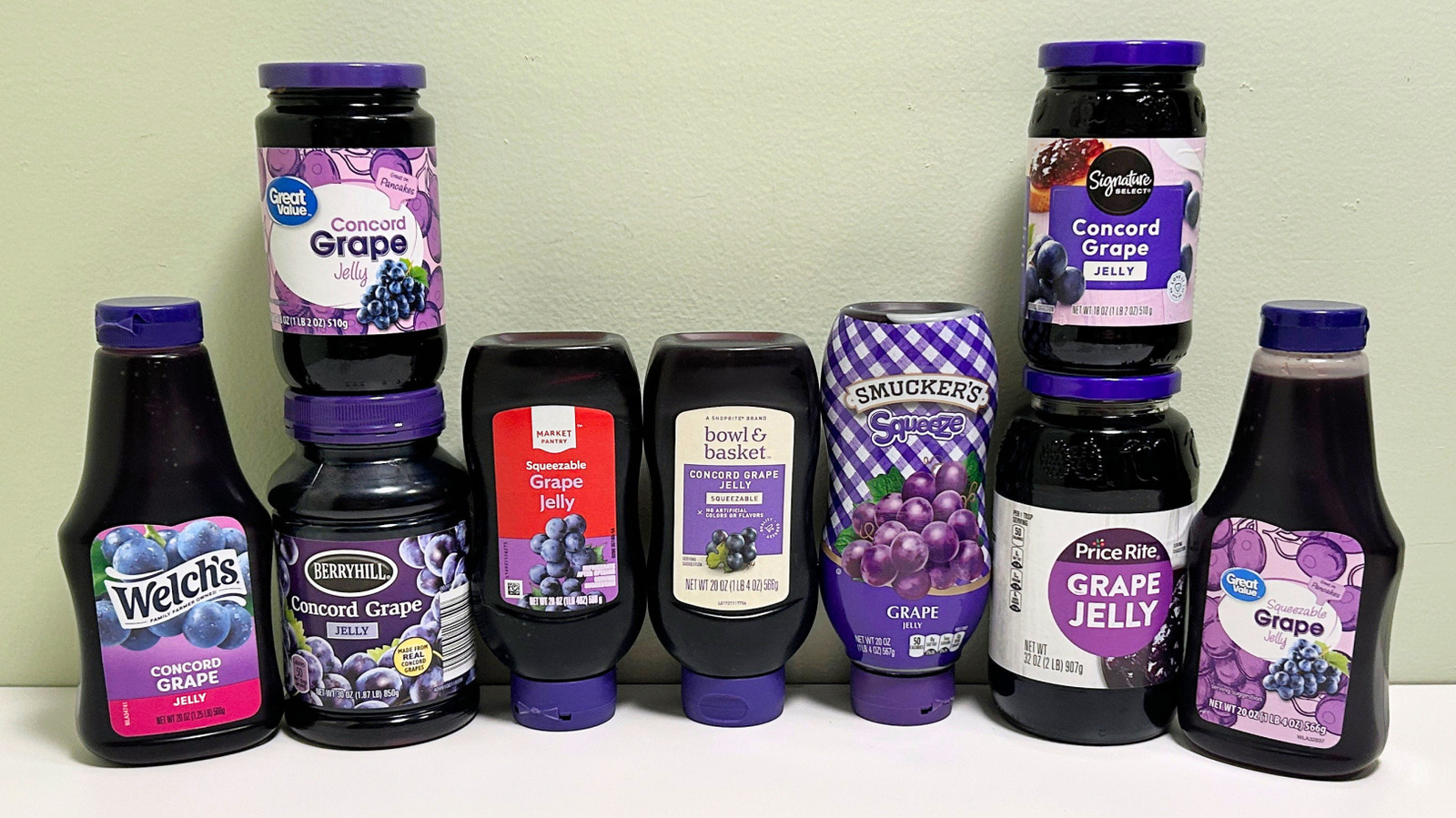
A taste test ranking eight commercial grape jelly brands reveals sharp differences in quality, texture, and flavor authenticity across the supermarket shelf. The Daily Meal evaluated each contender on how closely they capture real grape taste versus artificial sweetness, spreadability, and overall eating experience.
Budget brands often rely on corn syrup and artificial grape flavoring, producing a one-dimensional sweetness that dominates the palate. Premium options tend toward actual fruit juice concentrates and pectin-based gels that deliver more nuanced flavor and better mouthfeel. The testing process examined how each spread performed on toast, whether it separated in the jar over time, and how the grape notes developed on the tongue.
Texture matters as much as taste. Some brands turn gelatinous and stiff when cold, making them difficult to spread without tearing bread. Others maintain a glossy, pliable consistency straight from the refrigerator. The best performers balanced firmness with spreadability, holding their shape on a spoon without becoming overly runny at room temperature.
Price doesn't always correlate with quality. Mid-range brands sometimes outperform both discount and luxury options by hitting the sweet spot between cost control and ingredient integrity. Some top performers use grape juice concentrate sourced from established fruit regions, lending depth that cheaper alternatives cannot match with their reliance on flavor compounds alone.
The ranking matters for pantry staples that families use regularly. A superior grape jelly elevates simple breakfast occasions and becomes a reliable ingredient for baking and glazing. Choosing wisely saves money in the long run by avoiding spreads that separate, crystallize, or taste noticeably artificial.
For shoppers navigating crowded condiment aisles, this ranking cuts through marketing claims and delivers practical guidance based on actual eating experience. The best grape jellies prove that store-bought doesn't have to taste like an afterthought.