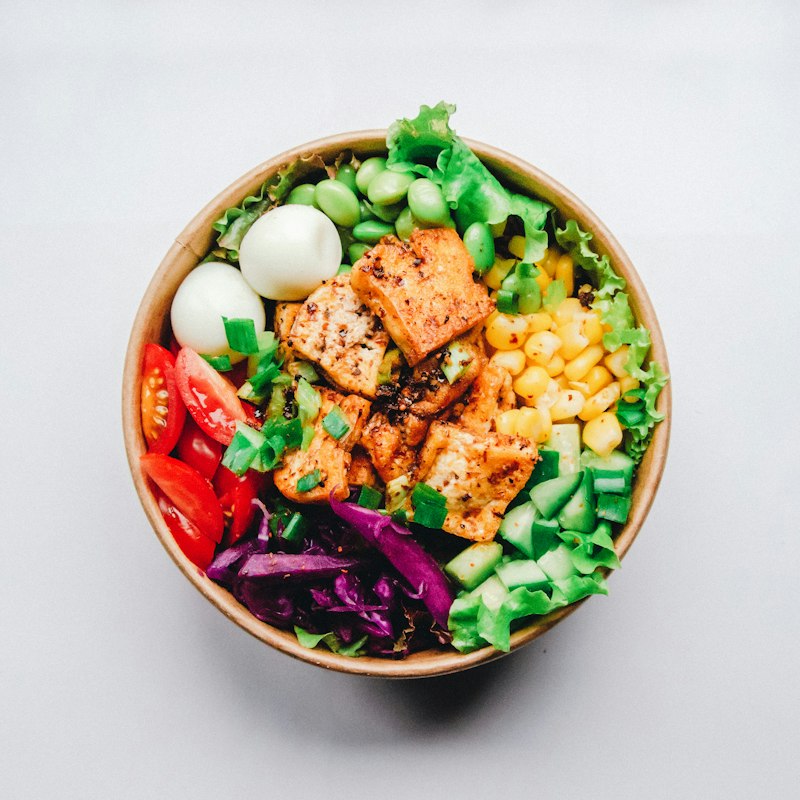
The fast-casual restaurant space has become a parody of itself. Walk into any major metropolitan area and count the number of "elevated" sandwich shops, "artisanal" grain bowls, and "chef-driven" quick-service concepts. They've multiplied like franchise bacteria.
Here's what's happening: operators are convinced that adding complexity wins customers. More menu items. More customization layers. More Instagram-worthy presentation. More origin stories about their ingredients. More digital ordering integrations. More loyalty app prompts. It's exhausting to witness, and frankly, it's exhausting to patronize.
The industry's recent consolidation activity tells you something important. When Biscuit Belly acquired Maple Street Biscuit Company, observers talked about scale and synergies. But let's be direct: multi-unit fast-casual operators are merging because the margin math on individual locations has gotten ugly. You know what kills margins? Operational complexity. When you're managing a 40-item menu with 12 customization options per dish, your kitchen becomes a bottleneck, your inventory costs spike, and your labor needs balloon. Simple economics.
Meanwhile, some of the sector's biggest moves involve going public or raising massive capital. Jersey Mike's IPO ambitions, for instance, represent a fundamental belief that bigger is better. But here's the uncomfortable truth: you don't need a billion-dollar war chest to win the next decade of fast-casual dining. You need clarity.
The winners will be the operators who simplify the mess, not the ones who add another layer of hype.
Think about what happened with the recent food safety issues. When operational systems become too complex, quality control suffers. You can't maintain consistency across 50 menu variations. You can't properly train staff on protocols for 15 different proteins and 20 sauce combinations. Complexity breeds error, and error breeds liability.
Consider the customer experience angle. Most people don't want to spend five minutes scrolling through a menu or making 12 decisions before they get to the register. They want to know what they're getting, trust that it's good, and move on with their day. The restaurants that recognize this will thrive. The ones still betting on customization theater will struggle.
The data supports this intuitively, even if operators won't admit it publicly. Successful quick-service concepts typically have focused menus. Fewer SKUs. Clearer operations. Faster throughput. Lower training burden. Higher consistency. These aren't revolutionary insights, but somehow they've gotten lost in the rush to appear sophisticated or trendy.
Digital ordering and loyalty programs have compounded the problem. Every operator added these tools assuming they'd drive revenue. Sometimes they did. But they also added complexity to operations while creating customer expectations for personalization that the kitchen can't reasonably deliver. You're not a tech platform; you're a restaurant. Act like one.
The consolidation we're seeing in fast-casual isn't just about buying market share anymore. It's about needing capital to sustain bloated operations. It's a sign of the model's strain.
The next generation of successful operators won't be the ones with the most funding or the flashiest marketing campaign. They'll be the ones who looked at the industry's complexity arms race and decided to opt out. They'll nail a simple concept, execute it consistently, keep their menus lean, and let quality speak louder than novelty.
That approach doesn't generate as many headlines. It doesn't satisfy the investor appetite for growth narratives. It doesn't appeal to operators who equate complexity with sophistication.
But it's the only sustainable path forward in a sector that's drowning in its own excess.