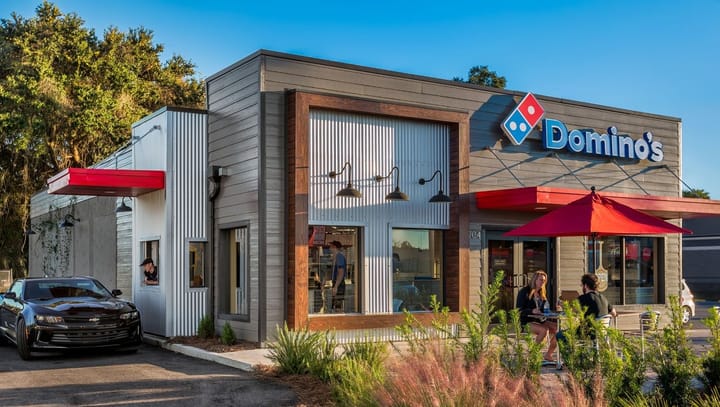
Domino's reported a modest bump in second-quarter performance driven by increased order volume, though the gains came with a sobering reality check. U.S. same-store sales growth inched forward at just 0.1 percent, a minimal uptick that reveals the delivery pizza market's tightening margins.
The chain's order count expansion provided the narrative lift executives needed during earnings season. Customers placed more orders, but the thin sales growth suggests Domino's struggled to boost average ticket size or pricing power. The pizza delivery sector faces intense competition from rivals like Pizza Hut and Papa John's, plus the broader threat of food delivery platforms where margins compress faster than dough under a rolling pin.
The 0.1 percent growth marks a telling indicator of the restaurant industry's current climate. Even dominant chains cannot easily pass cost increases to price-sensitive consumers ordering delivery. Labor expenses, ingredient costs, and driver wages eat into profits even as foot traffic climbs. Domino's reliance on order volume growth rather than per-order revenue improvement reflects a calculated strategy. More orders mean more delivery fulfillment, more data on customer behavior, and opportunities to upsell through their digital platform.
The quarter shows where Domino's strength lies. The chain's digital ordering infrastructure, app sophistication, and delivery logistics network continue to drive customer convenience. Yet the same-store sales figure exposes the limits of growth in a saturated market where new order acquisition happens at the expense of pricing power.
Domino's strategy increasingly depends on international expansion and menu innovation beyond traditional pizza offerings. The chain has pushed chicken wings, pasta, and desserts to diversify revenue streams. Still, the Q2 results underscore a fundamental challenge. Building order volume in mature markets requires competing primarily on convenience and promotion rather than premium positioning. For Domino's, that math works only if operational efficiency and scale can