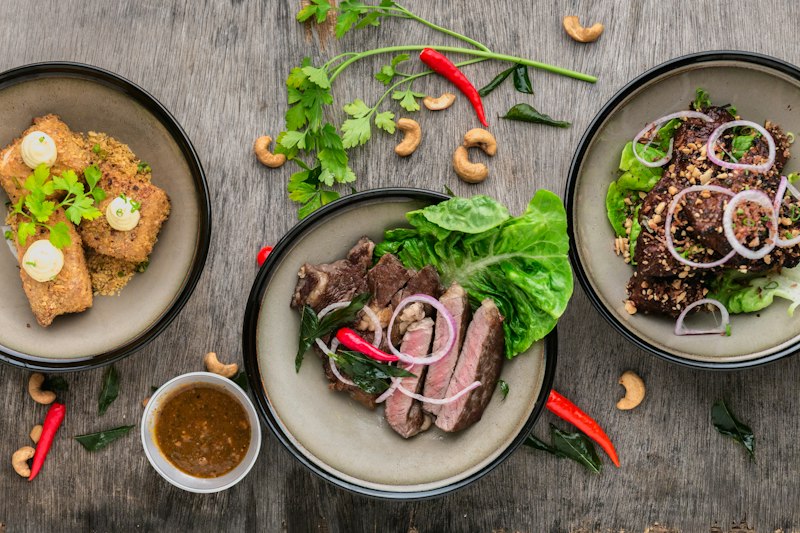
Everyone agrees that food content has become increasingly extreme. Celebrities dunking themselves in challenges. Influencers pushing condiment boundaries. The algorithmic appetite for shock value seems insatiable. This consensus is comfortable. It lets us treat viral food stunts as a harmless cultural phenomenon, a silly corner of the internet where people eat spicy peppers and hot buttered ice cream for views.
But that's not the interesting question anymore.
The more urgent question is what this relentless escalation actually breaks in the food world. Because trends don't exist in isolation. They have consequences that ripple through restaurants, ingredient supply chains, consumer expectations, and the very notion of what "food content" even means.
Start with authenticity. Every culture's cuisine has always had its theatrical moments and its challenging dishes. But there's a difference between exploring genuine food traditions and treating them as props for the viral moment. As food content becomes increasingly divorced from actual culinary tradition, we're training audiences to see all food through a lens of spectacle. A dish from a regional cuisine becomes just another challenge to conquer on camera, stripped of its actual cultural context and history. That's not just disrespectful. It's economically dangerous for smaller restaurants and food entrepreneurs who built their businesses around craft, not shock value.
Consider ingredient scarcity next. Ramps became nearly impossible to source responsibly. Sea urchins faced overharvesting pressure. Exotic peppers saw demand spikes that didn't sustain. Now imagine this pattern accelerating. If a formerly illegal fruit or an obscure regional ingredient goes viral, we've created a scenario where internet fame directly pressures supply chains that weren't built for it. Fishing communities, farmers, and foragers suddenly face unsustainable demand. The ingredient either gets depleted or becomes so commodified it loses its original character entirely. That's not a food trend. That's a resource problem.
Then there's the credibility of expert voices. Food criticism, agricultural science, culinary education, nutritional advice, health warnings about ingredients. All of it gets compressed into the same content ecosystem where professional analysis lives next to stunts. When a viral video of someone's reaction to a spicy food challenge gets more engagement than a legitimate food safety story, we've fundamentally broken the signal-to-noise ratio. People can't tell anymore what information comes from expertise versus entertainment. That matters when food safety is involved. It matters when agricultural policy decisions get influenced by what trends online rather than what's sustainable.
The real concern is audience expectation collapse. If people consume food primarily through viral content, their baseline for what food experiences "mean" shifts. Restaurants start feeling pressure to be Instagram-worthy first and delicious second. Home cooking becomes less appealing because it's not content-optimized. Small food businesses that don't have entertainment budgets get pushed out by creators with production value. The entire ecosystem gradually reorganizes around virality rather than quality, tradition, or actual human nutrition.
This isn't about finger-wagging at people having fun with food. It's about recognizing that every content trend has an expiration date and a cost. The stunt format is already showing fatigue. But by the time everyone agrees it's jumped the shark, the damage to supply chains, to cultural food traditions, to consumer expectations, and to information credibility will already be done.
The question isn't whether viral food content will keep escalating. It will, until it doesn't. The better question is whether we'll notice what breaks underneath it before we move on to the next trend.