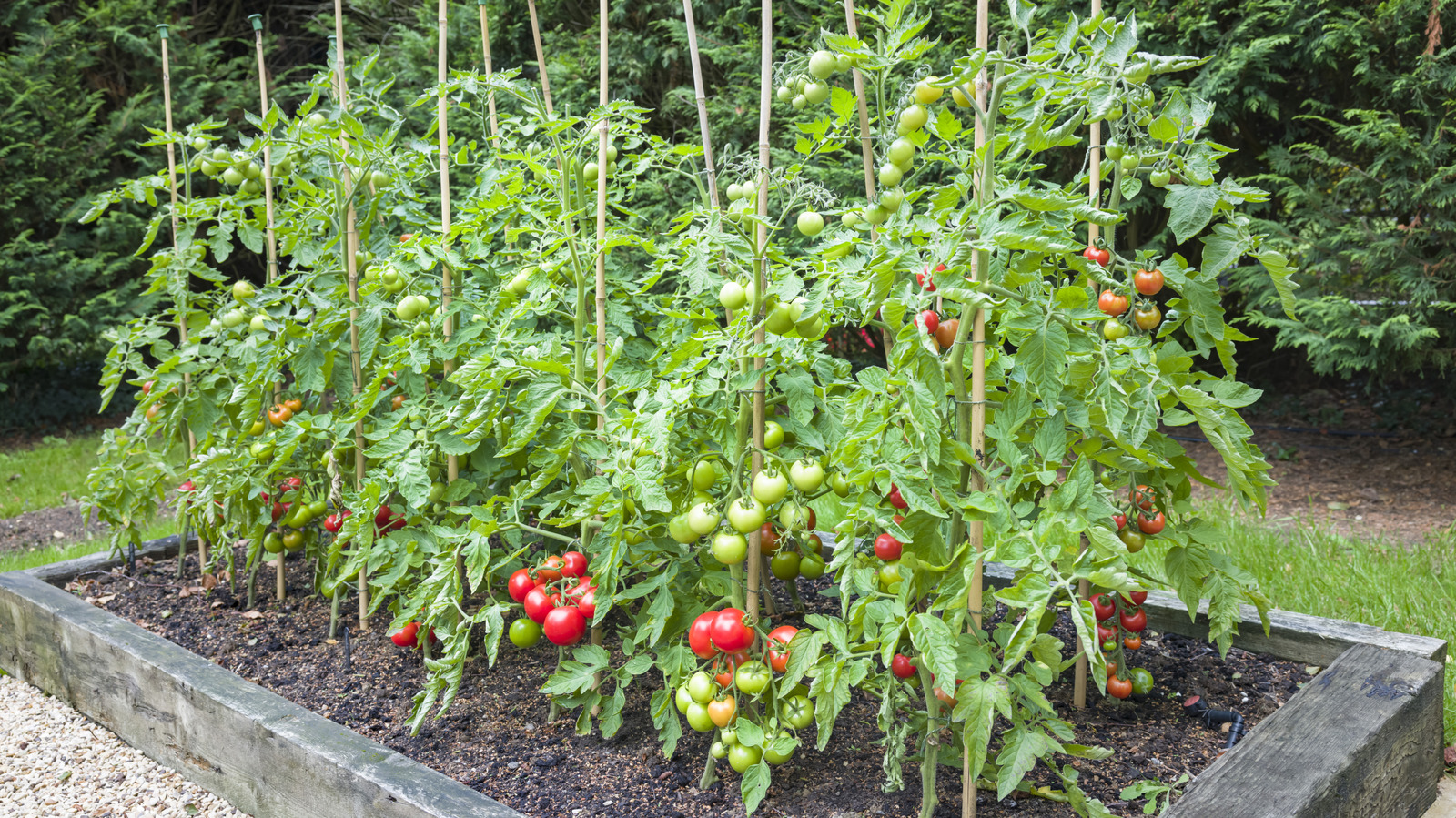
# Keep Your Tomato Plants Healthy In July With This Pruning Tip
July brings peak growing season for tomato plants, but mid-summer neglect kills productivity. Experienced gardeners remove suckers—the small shoots that sprout between the main stem and branches—to redirect energy toward fruit development rather than foliage.
Sucker pruning concentrates the plant's resources on ripening existing tomatoes and supporting new fruit set. When left unchecked, these shoots consume nutrients and water, competing directly with developing fruit. The technique works best on indeterminate varieties like Brandywine and San Marzano, which grow continuously throughout the season.
Timing matters. Early morning removal, when plants are turgid and less stressed, prevents damage. Use sharp pruning shears or simply pinch suckers between thumb and forefinger when they're still tender. This gentle approach minimizes shock to the plant. Remove suckers below the first fruit cluster on determinate varieties, which have fixed growth patterns, to maintain structure.
July heat stress compounds watering needs. Prune conservatively during extreme heat waves, as heavy pruning exposes fruit to sunscald. Maintain consistent soil moisture, delivering water deeply at the root zone rather than overhead. Wet foliage invites fungal diseases that spread rapidly in summer humidity.
Nitrogen-heavy fertilizers fuel excessive leaf growth at fruit's expense. Switch to a phosphorus-rich formula in July to encourage flowering and fruiting. Epsom salt applications every two weeks boost magnesium levels, preventing blossom-end rot on developing fruit.
Remove only diseased or yellowing leaves near the base, improving air circulation around lower branches. This reduces fungal pressure while allowing sunlight to reach ripening tomatoes. Dead leaves and stems harbor pests, so clear debris from around the plant base daily.