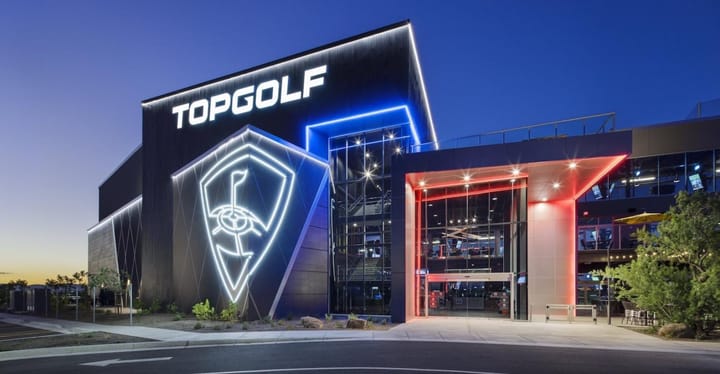
Topgolf has launched a retail media network, transforming its 80-plus gaming-and-dining venues into advertising real estate for consumer brands. The move follows a broader trend across hospitality and entertainment companies seeking new revenue streams beyond their core business.
The network allows brands to place ads across Topgolf's physical locations and digital platforms, reaching customers during their leisure time. Advertisements appear on screens within bays, on mobile apps, and throughout the entertainment centers where patrons spend hours golfing, eating, and drinking.
This strategy mirrors what retailers like Walmart and Target have done with their own media networks. Those programs generate billions in annual revenue by selling brands access to captive, high-spending audiences. Topgolf's move reflects confidence in its ability to monetize foot traffic and engagement data from its venues.
The timing makes sense for Topgolf, which operates a growing chain of upscale entertainment centers combining golf simulation technology with full-service restaurants and bars. The venues attract affluent demographics with disposable income, making them attractive to premium brands. Topgolf reported strong unit economics and customer loyalty metrics, creating an appealing advertising environment.
For restaurant and entertainment operators, retail media networks represent a crucial new profit center as margins tighten across hospitality. Food and beverage revenue remains the primary driver, but advertising fills gaps in earnings. Brands benefit from contextual placement in entertainment settings where consumers feel relaxed and receptive.
Topgolf's parent company, Topgolf Entertainment, went public in 2022 and has pursued aggressive expansion. The retail media network supports its broader diversification strategy. Growth in company-owned venues provides more inventory for advertisers seeking scale.
The network launch suggests that entertainment-dining hybrids have matured enough to attract sophisticated advertisers. It also signals that consumer attention within restaurants and bars, long underutilized by