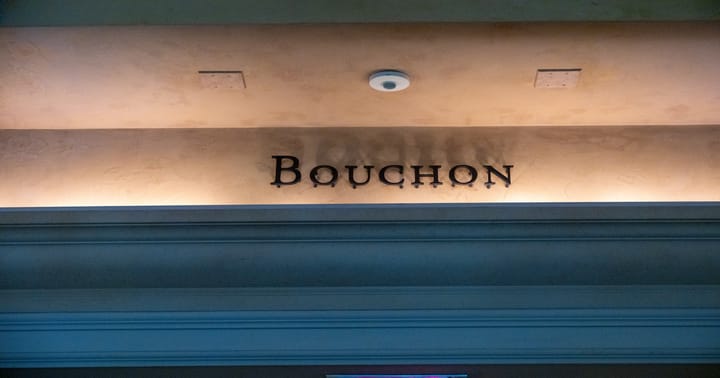
Thomas Keller's restaurant empire faces a $2 million settlement after a sexual harassment lawsuit filed in 2018 against Bouchon Las Vegas. The case involves allegations of unwanted advances, offensive comments, and retaliation targeting both male and female employees at the fine dining establishment.
Bouchon, which opened in 2006 at the Venetian Resort, represents one of Keller's signature French bistro concepts operating outside his Napa Valley headquarters. The restaurant operated under the Thomas Keller Restaurant Group, which also manages The French Laundry and Per Se, two of America's most celebrated fine dining institutions.
The settlement underscores persistent workplace culture problems within high-end restaurant kitchens, environments historically marked by rigid hierarchies and power imbalances. Sexual harassment lawsuits have targeted numerous celebrated chefs and restaurants in recent years, prompting industry-wide scrutiny of labor practices and accountability.
Keller built his reputation on meticulous technique and uncompromising standards. His restaurants command premium prices and attract diners worldwide. Yet the Las Vegas incident reveals the disconnect between culinary excellence and workplace safety. Employees filing the lawsuit alleged that management failed to respond adequately to complaints, creating hostile work conditions.
The $2 million payment marks a significant financial consequence for the Keller organization but follows a pattern of settlements across luxury hospitality. High-profile incidents at restaurants from New York to California have forced owners to confront systemic issues, from inadequate reporting mechanisms to insufficient diversity in leadership.
For Bouchon specifically, the settlement arrives as fine dining rebounds from pandemic closures. The restaurant continues operating at the Venetian, though the legal resolution signals that institutional change remains necessary. Workplace investigations and reporting procedures have become standard across major restaurant groups.
The case reflects broader industry reckoning with labor practices. While Keller's