# Amazon's Top-Selling Baked Goods Reshape Convenience Shopping
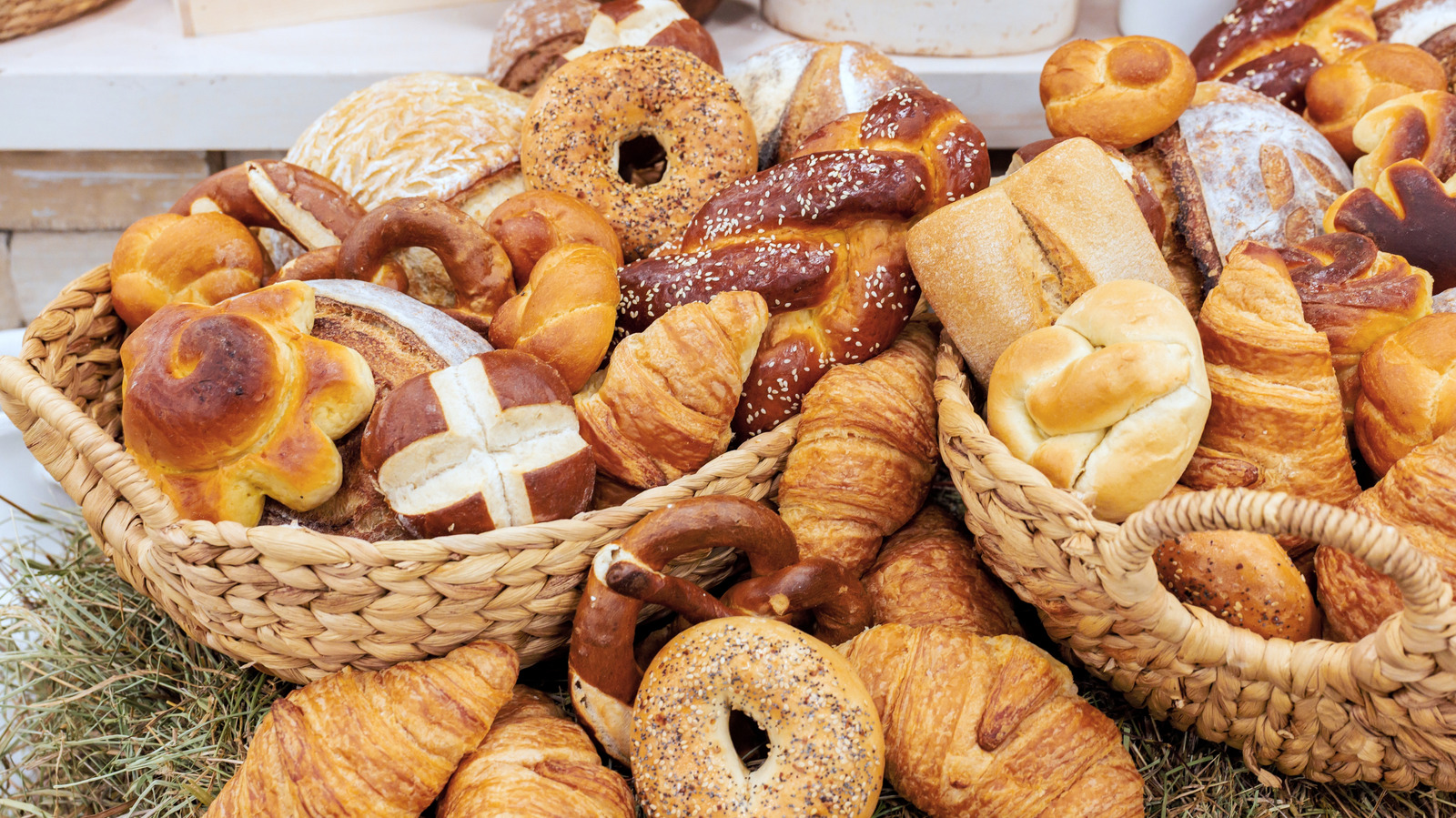
Amazon has quietly become a destination for home delivery of premium baked goods, cutting the friction out of sourcing specialty items without a grocery store trip. The platform's best-selling baked goods span everything from artisanal breads to indulgent pastries, reflecting how consumers increasingly expect pantry staples and treats to arrive at their doorstep within days.
This shift matters because it reshapes traditional grocery shopping patterns. Bakery sections at supermarkets face new competition not from other retailers, but from logistics networks optimized for speed and selection. Amazon's model lets regional and national bakers reach customers far beyond their physical locations, eliminating geography as a limiting factor for quality baked goods.
The selection on Amazon includes mass-market favorites alongside specialty items that local bakeries struggle to stock consistently. Customers can compare prices, read reviews, and order multiple brands in a single transaction. This transparency and convenience appeal particularly to busy households, people in food deserts, and those seeking items their neighborhood stores don't carry.
What this means for small bakeries remains complicated. While Amazon provides distribution channels unavailable before, the platform's logistics costs and commission structures shape which producers can compete. Local bakeries benefit from the Amazon effect when they achieve brand recognition and direct sales, but face pressure when Amazon's selection becomes comprehensive enough that consumers see less reason to visit physical locations.
The broader implication: convenience continues eating into the grocery experience. Baked goods represent one of the last holdouts, products traditionally tied to fresh procurement and local craftsmanship. As Amazon's selection grows and delivery speeds improve, even this category succumbs to the expectation that quality food arrives pre-ordered rather than discovered.