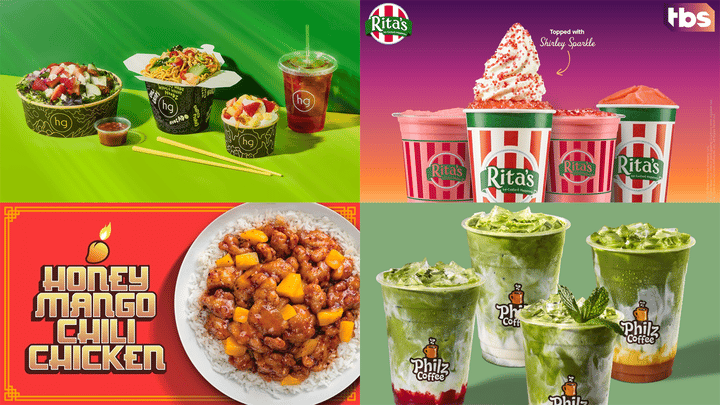
Chick-fil-A has expanded its protein offerings with new chicken sandwich variations aimed at capturing lunch and dinner occasions beyond its iconic original. CAVA rolls out Mediterranean bowls featuring seasonal vegetables and heritage grains, responding to consumer demand for nutrient-dense fast-casual meals. Krispy Kreme introduces limited-edition glazes and filled donuts, banking on flavor novelty to drive repeat visits.
Benihana, the teppanyaki chain, modernizes its tableside cooking experience with new protein cuts and contemporary sauces that appeal to younger diners seeking Instagram-worthy moments. Honeygrow experiments with global noodle preparations and sauce combinations, testing customer appetite for Asian fusion beyond its core stir-fry format. PopUp Bagels, the New York-based bagel concept, expands its toasted sandwich menu with unexpected protein pairings to compete in the crowded breakfast market.
Salad and Go accelerates menu turnover with rotating seasonal salad compositions and protein options, positioning itself as a fresh-forward alternative to traditional quick-service chains. These moves reflect industry-wide recognition that speed alone no longer drives traffic. Consumers now demand variety, health-conscious options, and Instagram-able presentations alongside convenience.
The pattern across these chains reveals a fragmented strategy. Established players like Chick-fil-A and Krispy Kreme leverage their core brand equity while testing adjacent categories. Newer concepts like CAVA and Honeygrow build menus around trending ingredients and global flavors to differentiate in crowded segments. Salad and Go's seasonal rotation suggests operators understand menu fatigue as a retention problem.
This innovation cycle reflects tighter labor markets and rising food costs forcing chains to extract maximum value from existing infrastructure rather than expanding square footage. Menu innovation becomes the growth lever when real estate expansion slows. Expect continued emphasis on