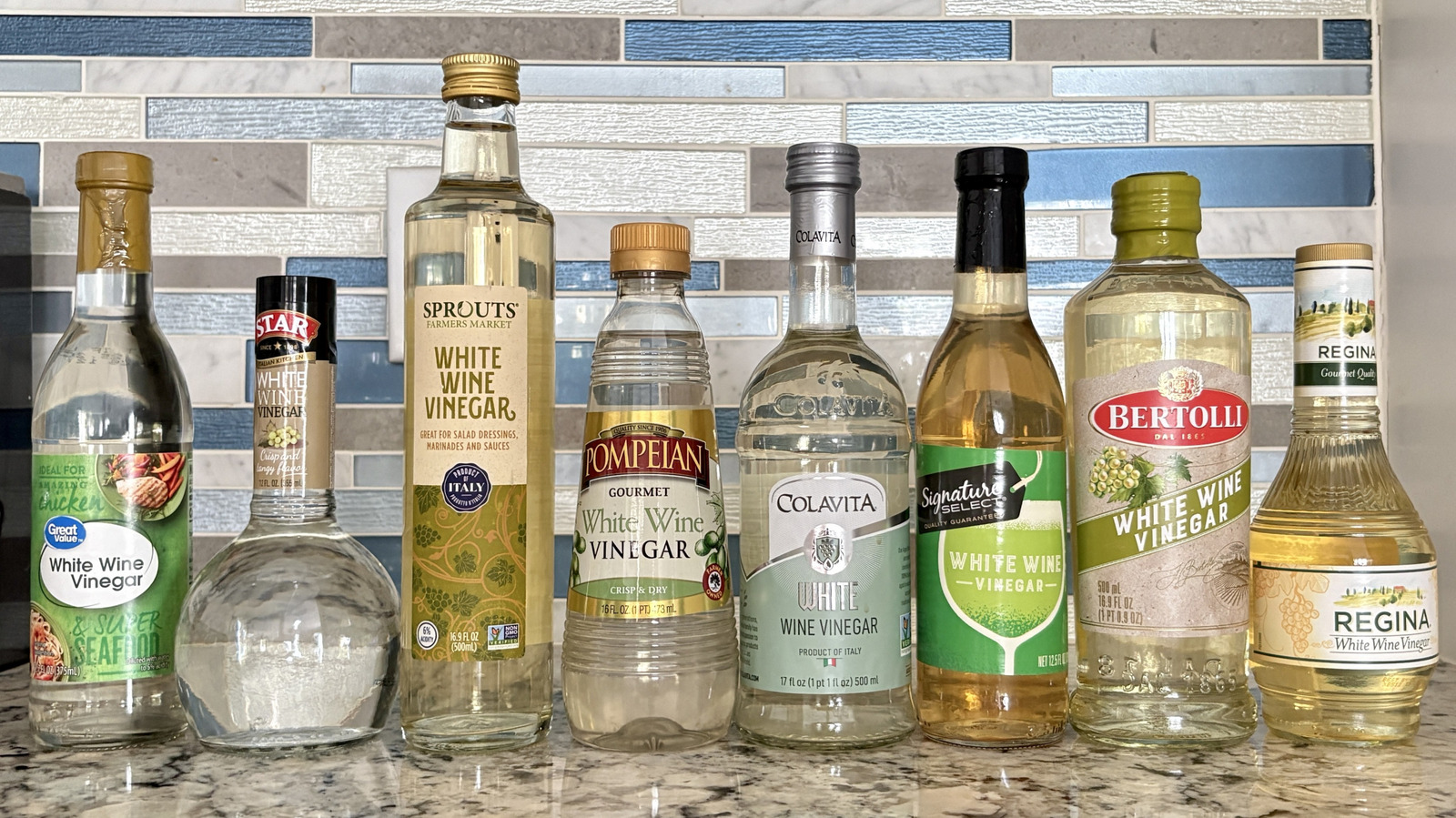
White wine vinegar ranks among the most versatile ingredients a cook can stock. The acidity cuts through rich dishes, brightens salads, and balances sauces. Yet not all bottles deliver the same quality or flavor profile.
The Daily Meal tested eight store-bought white wine vinegars to identify which ones deserve shelf space in your kitchen. The tasting considered factors like acidity level, flavor complexity, and overall balance. Some vinegars brought sharp, one-dimensional tang. Others offered subtle fruit notes and mellow character that elevated dishes without overwhelming them.
The best vinegars tend to come from producers with winemaking heritage. Brands that start with quality wine and ferment it properly develop depth that bargain options simply cannot match. The ranking revealed clear winners and disappointing contenders, with price not always correlating to quality. A mid-range bottle sometimes outperformed premium options that relied on brand reputation rather than actual flavor.
White wine vinegar works hardest in vinaigrettes, where its character becomes the foundation of the dressing. A flat, generic vinegar makes flat vinaigrette. A vinegar with body and nuance transforms simple oil and acid into something memorable. The acidity percentage matters too. Higher acidity means more potent flavor, though it demands restraint in the kitchen.
Beyond salads, white wine vinegar belongs in pickles, deglazing pans, brightening soups, and finishing delicate fish dishes. Home cooks who upgrade from supermarket basics often discover they use vinegar more frequently because the better product actually tastes good.
The test results offer concrete guidance for your next shopping trip. Whether you prioritize budget, flavor complexity, or availability, the ranking identifies solid options across different price points. Building a pantry means making smart choices about staples you use regularly. White wine vinegar qualifies. Choosing the right bottle pays