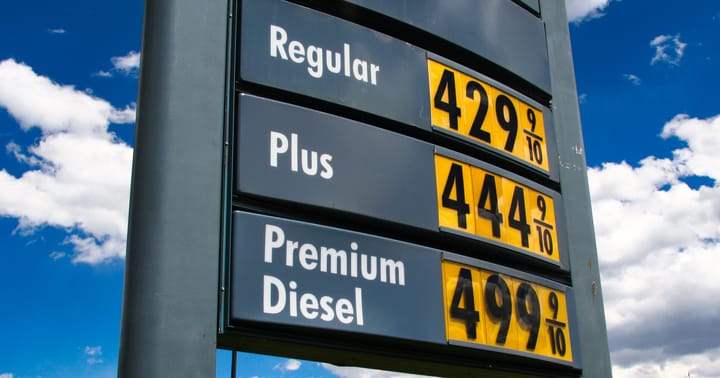
Gas prices climbing back above $4 a gallon creates fresh headwinds for restaurant operators already navigating thin margins and staffing challenges. The return to spring price levels directly impacts consumer behavior. Higher fuel costs squeeze household budgets, forcing diners to cut back on discretionary spending like eating out.
Restaurant traffic suffered during the spring price surge, and operators fear a repeat performance. Quick-service chains and casual dining establishments feel the pressure most acutely, as budget-conscious consumers gravitate toward home cooking. Full-service restaurants with higher check averages see reservations decline as price-sensitive guests postpone special occasions.
The timing compounds existing industry challenges. Labor costs remain elevated, food prices stay volatile, and many restaurants operate with 3 to 5 percent profit margins. A spike in transportation expenses ripples through supply chains. Delivery-dependent models face margin compression when fuel surcharges eat into already-thin profits. Independent operators, lacking the purchasing power of large chains, absorb these costs more painfully.
Restaurant owners respond with calculated adjustments. Some increase menu prices modestly, risking customer defection. Others reduce portion sizes or substitute ingredients. Marketing teams focus on value positioning, bundling deals, and loyalty programs to retain price-conscious diners.
The correlation between gas prices and restaurant traffic reflects broader economic anxiety. When fuel hits $4 per gallon, households tighten discretionary spending across categories. Restaurants represent one of the first casualties in consumer pullbacks. The National Restaurant Association monitors fuel costs closely as an economic indicator alongside labor availability and ingredient prices.
This cycle underscores the restaurant industry's vulnerability to external economic shocks. A gallon of gas becomes a metric that predicts dining room seats and server shifts. Recovery requires either fuel prices to moderate or consumer confidence to strengthen enough to override wallet concerns.