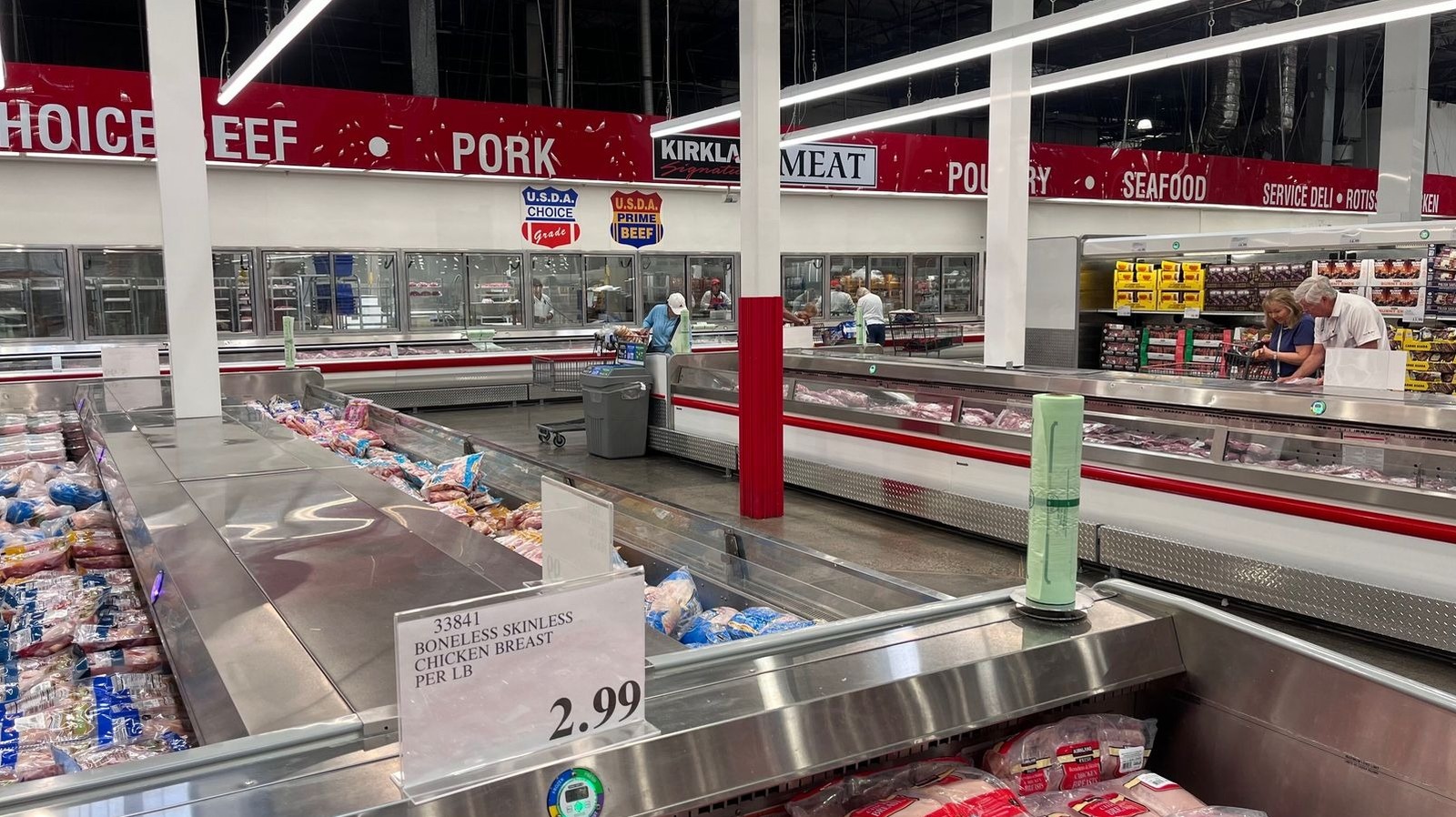
Costco's meat discounts have become the stuff of internet legend. Shoppers swap tips on Reddit and TikTok about scoring prime cuts at steep markdowns. The reality, though, is far less glamorous. Finding these deals feels less like shopping and more like a treasure hunt nobody wins.
The warehouse club stocks thousands of items across its cavernous floors. Meat sits in just one section. By the time word spreads online about a discount on ribeye or brisket, the products vanish. Costco's inventory moves fast. A deal posted this morning might be gone by afternoon.
Costco's pricing strategy adds another layer of complexity. The company doesn't advertise meat markdowns prominently in its weekly mailers or app. Discounted items appear sporadically, tied to inventory management rather than customer-facing promotions. A manager might reduce a package of sirloin steak because it's nearing its sell-by date. That markdown hits the shelf with no fanfare. Shoppers must stumble upon it.
Location matters too. Costco warehouses operate with individual managers who control their own markdown decisions. A ribeye discount at one warehouse won't appear at another across town. Regional differences in demand and inventory also shift which products get marked down and when.
The psychological appeal runs deep, though. Costco members already pay an annual fee for access. That upfront investment makes the hunt feel worthwhile. Spotting a $3 markdown feels like recouping part of their membership cost. The thrill of the find drives the social media sharing. Each post inspires others to make special trips, hoping lightning strikes twice.
Supply chain pressures have made meat particularly volatile. Protein costs fluctuate based on feed prices, cattle availability, and processing capacity. Costco responds by adjusting inventory levels and, occasionally, markdown prices to move stock