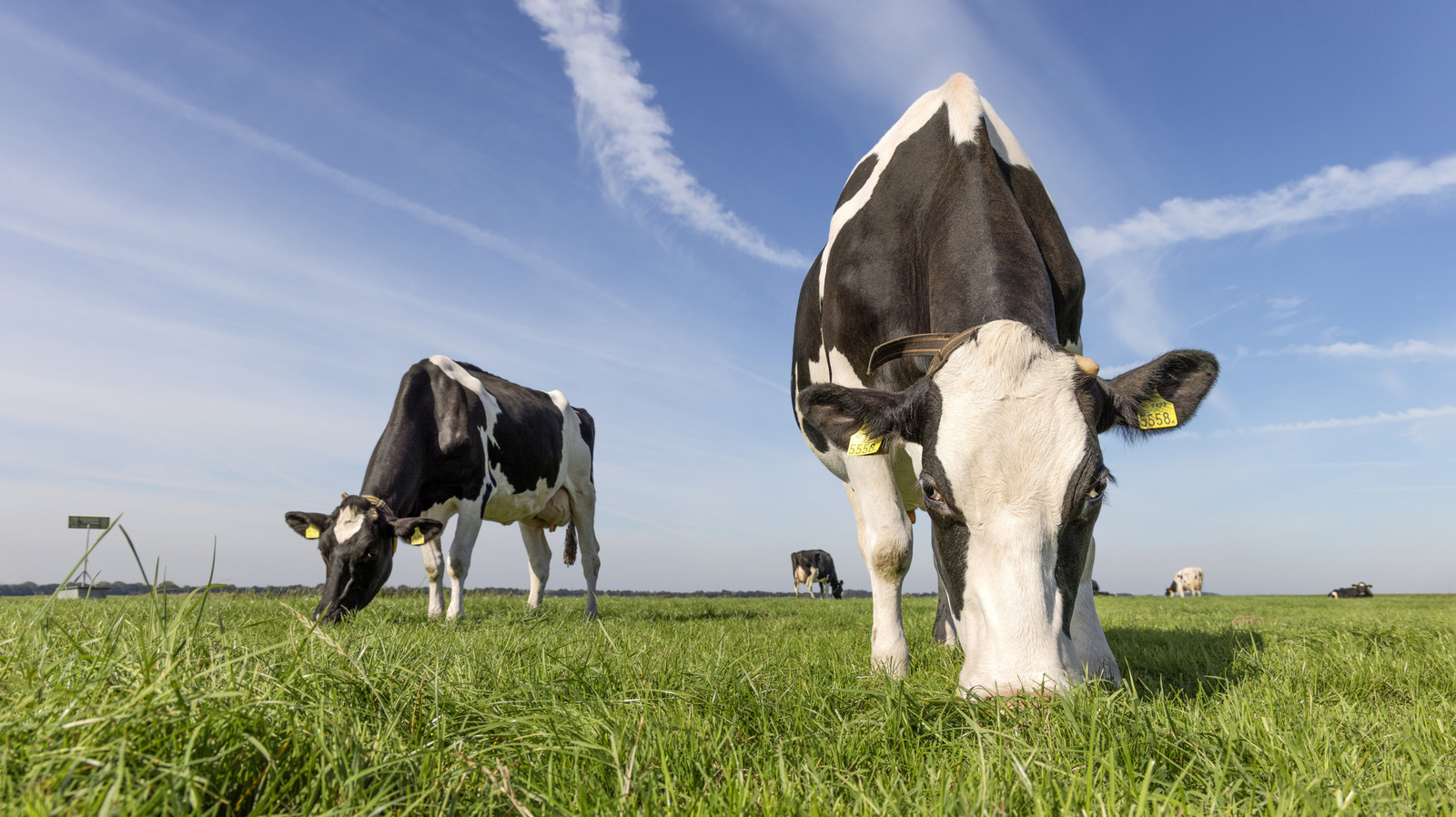
Bulk beef purchases offer home cooks and families a practical path to savings, but the math behind a half cow purchase often surprises first-time buyers. A half cow yields far less finished meat than the live animal's weight suggests.
A typical half cow weighs between 300 and 400 pounds on the hoof. After the butcher removes the hide, organs, and bones during processing, you'll receive roughly 130 to 200 pounds of retail cuts. That 50 percent loss reflects standard butchering waste. The exact yield depends on the animal's size, breed, and how your butcher breaks down the carcass.
You'll receive a mix of cuts spanning the entire animal. Expect several chuck roasts, rib steaks, strip steaks, and filet mignon from premium sections. Ground beef typically comprises 20 to 25 percent of your total meat. The remainder splits between roasts suitable for slow cooking and various steak cuts for quick preparation.
Cost efficiency improves substantially with bulk purchasing. Buying a half cow typically runs $3.50 to $6.50 per pound of finished meat, compared to $8 to $15 per pound at retail butchers for similar quality beef. Grass-fed or heritage breed cattle command premium prices but deliver superior flavor and nutrition profiles.
Storage requires planning. Most buyers freeze their beef immediately after processing, which preserves quality for 6 to 12 months depending on packaging. Chest freezers or substantial freezer space become essential investments for half cow owners.
Finding cattle requires direct relationships. Local farms, agricultural cooperatives, and specialized beef purveyors connect buyers with ranchers. Some operations handle the logistics entirely, managing transportation to a butcher and delivery to your home.
This purchasing model suits families of four or larger who consume beef regularly. Smaller households might struggle with storage