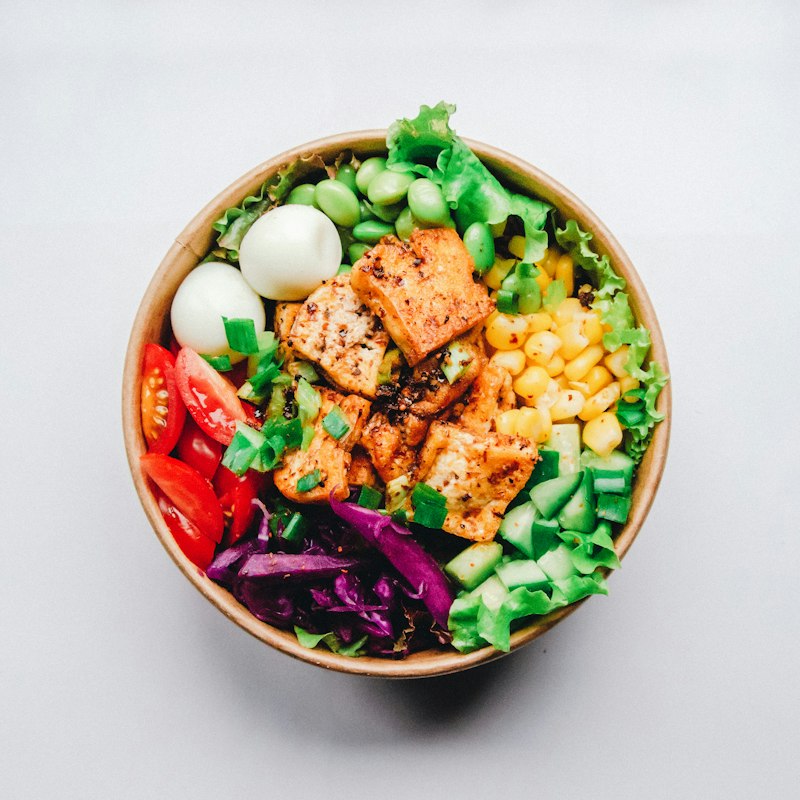
Cyclospora outbreaks spike during summer months, and produce contamination remains the primary culprit. The parasite, which causes severe intestinal illness, spreads through raw or undercooked vegetables. Food safety experts emphasize one critical defense: thorough cooking.
Heat destroys cyclospora at temperatures that kill most pathogens. Unlike bacteria that multiply on food, cyclospora requires time outside the human body to become infectious. Cooking produce to safe temperatures eliminates this threat entirely. Raw vegetables pose the highest risk, particularly imported berries, lettuce, and herbs.
The U.S. experiences recurring cyclospora cycles tied to seasonal produce imports from endemic regions. Between 2018 and 2022, outbreaks linked to imported cilantro, basil, and raspberries sickened hundreds. The parasite causes severe diarrhea, cramping, and fatigue lasting weeks without treatment.
Prevention requires two strategies. Washing produce under running water removes surface debris but cannot eliminate cyclospora reliably. Cooking eliminates the pathogen completely. Restaurants and home cooks who prepare salads and fresh dishes must choose between accepting risk or applying heat.
The dilemma confronts diners and chefs alike. Summer dining celebrates fresh, raw preparations. Salads, ceviche, and chilled vegetable dishes define warm-weather menus. Cooking these items destroys their essential character. Yet raw consumption carries documented health consequences.
Food safety agencies recommend washing produce thoroughly and cooking when possible, though they acknowledge this advice conflicts with culinary traditions and consumer preferences. For vulnerable populations—children, elderly people, immunocompromised individuals—cooking becomes non-negotiable.
Individual restaurants and food retailers have implemented enhanced testing protocols. Some suppliers now irradiate produce or apply antimicrobial treatments before distribution. These measures reduce but do not eliminate risk