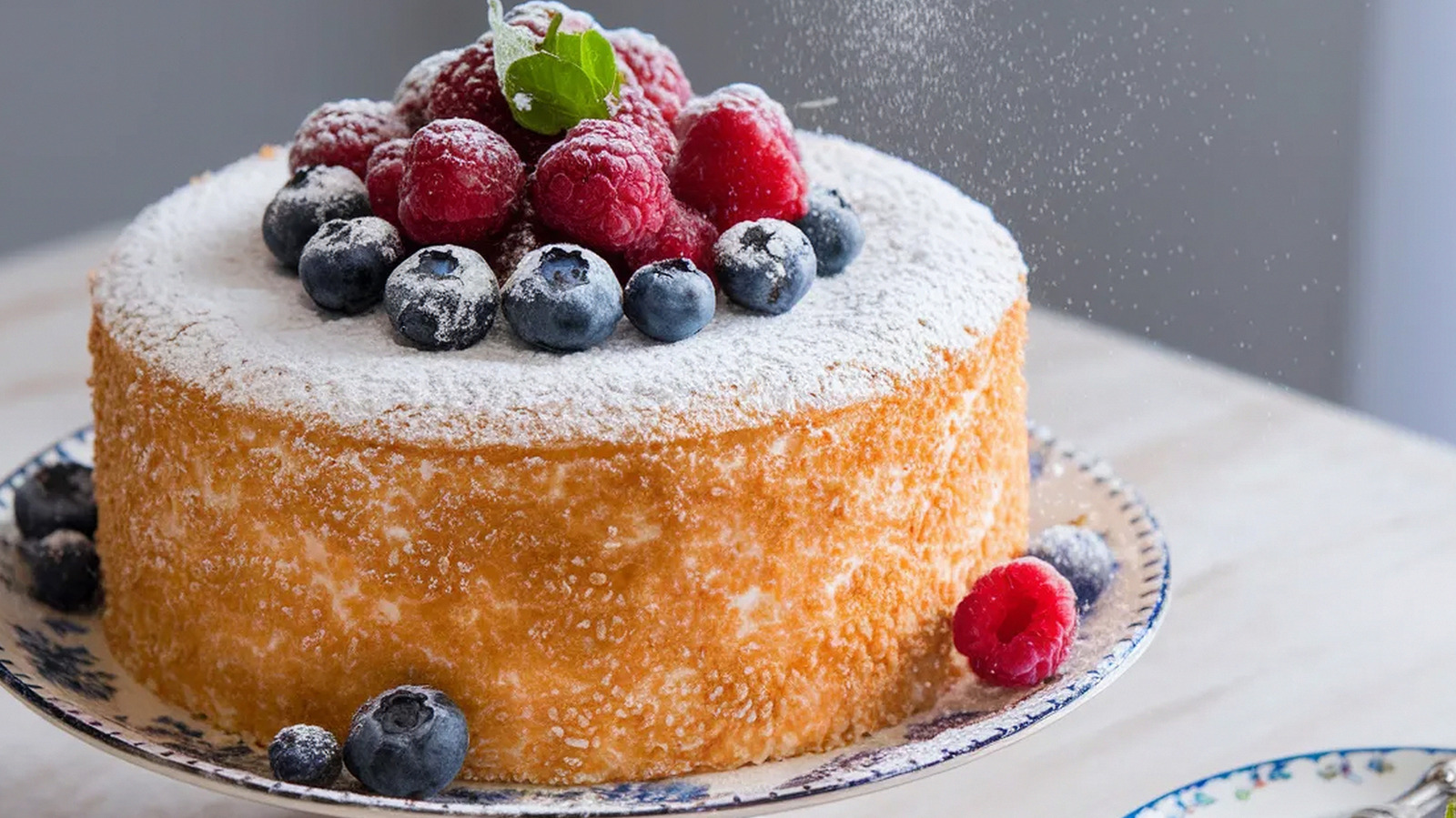
A hand whisk deserves a permanent spot in your baking arsenal. This humble tool beats air into eggs and batters far more effectively than most home bakers realize, transforming dense, heavy cakes into cloud-like creations that melt on the tongue.
The science is straightforward. Whisking incorporates thousands of tiny air bubbles into egg whites and whole eggs, creating structure that traps steam during baking. This expansion lifts your final product. A standard whisk does this job better than electric mixers for specific tasks because you control the motion and can feel the batter's transformation under your hand.
Professional bakers have always known this. They reach for whisks when folding delicate meringues, whipping cream to stiff peaks, or beating eggs for sponge cakes that demand finesse. Home bakers often skip this step, defaulting to stand mixers for everything, which actually overworks certain batters and deflates carefully incorporated air.
The key lies in technique. Tilt your bowl at a 45-degree angle and use a figure-eight motion, keeping the whisk in constant contact with the bottom and sides. This creates continuous agitation without the dead zones a mixer leaves behind. For egg whites destined for souffles or angel food cake, whisking by hand takes roughly five to eight minutes but produces superior volume compared to machine mixing.
Stainless steel whisks work best. Balloon whisks handle larger volumes for egg whites. French whisks suit smaller tasks like emulsifying vinaigrettes. Keep multiple sizes handy.
This approach costs almost nothing. A quality whisk runs fifteen to thirty dollars. It requires no electricity, makes minimal noise, and develops your intuitive feel for batter consistency. Vintage whisks from estate sales work just as well as new ones.
Bakers chasing restaurant-quality results should embrace