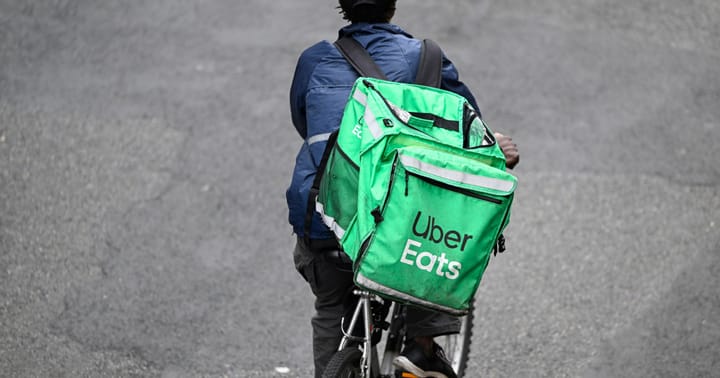
Uber has agreed to acquire Delivery Hero, the Germany-based food delivery platform, for 14.8 billion dollars. The all-stock transaction represents one of the largest deals in the global delivery sector, fundamentally reshaping the competitive landscape for restaurant logistics.
Delivery Hero operates across 70 countries with roughly 1 million merchant partners. The company runs multiple regional brands including Talabat in the Middle East and North Africa, Zomato's competitor position in emerging markets, and operations throughout Latin America and Southeast Asia. Uber Eats, already present in 70 countries, will roughly double its merchant network through the acquisition.
The deal consolidates two companies that have struggled with profitability despite commanding massive market shares. Uber Eats has never reached consistent profitability on a standalone basis, though parent company Uber has benefited from the delivery arm's contribution to overall performance. Delivery Hero similarly faces pressure from unit economics and intense regional competition.
The merger creates significant operational overlap. Both platforms charge restaurants commission fees typically ranging from 15 to 30 percent of order value, a model that restaurant owners have long criticized as economically unsustainable. The combined entity will likely rationalize these overlapping operations, particularly in markets where both companies maintain separate infrastructure.
Regulators in key markets will scrutinize the transaction. The European Commission has been aggressive in examining tech sector consolidations. In some regions where Delivery Hero maintains dominant positions, authorities may demand divestitures or behavioral commitments.
For restaurants, the deal presents contradictory outcomes. Consolidation among delivery platforms historically leads to higher fees for merchants dependent on these channels. However, improved operational efficiency and reduced competition between the two platforms could eventually translate to better service reliability and lower technology infrastructure costs.
The transaction reflects a broader industry reality. Venture-backed delivery companies burned through billions without achieving profit