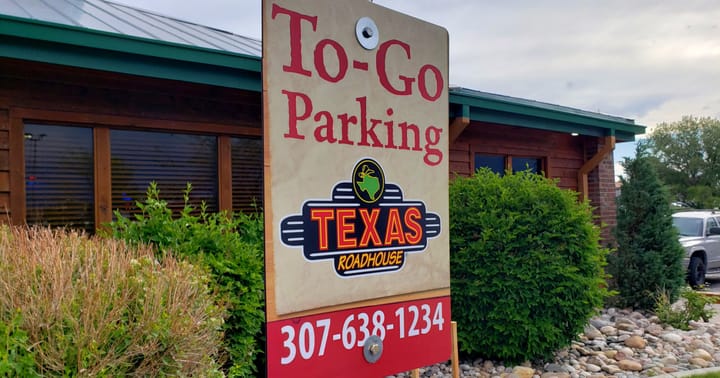
Texas Roadhouse, the casual steakhouse chain known for resisting third-party delivery services, has begun testing delivery at a handful of locations. A company spokesperson confirmed the "micro-test" but emphasized that no expansion plans exist at this time.
The move marks a notable shift for a restaurant group that has historically prioritized dine-in experience and direct customer relationships. Texas Roadhouse built its brand around fresh-cut steaks, made-from-scratch sides, and table service that emphasizes speed and hospitality. Delivery fundamentally changes how customers experience that product, particularly for proteins that depend on temperature and timing.
The chain operates over 600 locations across North America, generating substantial revenue from its in-restaurant dining model. Third-party platforms like DoorDash, Uber Eats, and Grubhub take commission cuts that compress margins on lower-ticket items. For a steakhouse, those economics become even tougher. A bone-in ribeye or porterhouse loses quality during transit time, and customers paying delivery fees on top of meal costs face sticker shock.
Yet competitive pressure mounts. Competitors including Ruth's Chris and Morton's now offer delivery, recognizing that customer expectations have shifted post-pandemic. Younger diners particularly expect delivery as a baseline option. The labor market also favors flexibility. Delivery testing allows Texas Roadhouse to gauge demand without dismantling infrastructure built for table service.
The micro-test approach makes sense operationally. Testing in a few markets lets the chain assess packaging solutions, delivery partner logistics, and customer satisfaction without betting the company. Results will likely determine whether delivery becomes a permanent, scaled offering or remains an experimental footnote.
For now, Texas Roadhouse maintains its selective stance. The company's caution reflects genuine product concerns rather than mere stubbornness. Steakhouse quality depends on execution margins