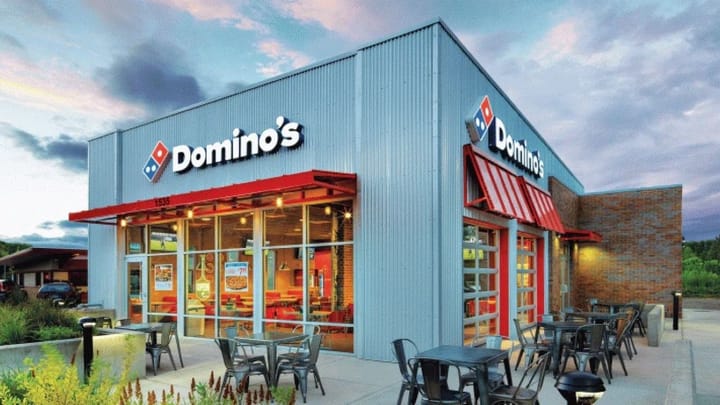
Domino's Pizza strengthens its corporate governance with two high-profile appointments to its board of directors. Michael Creedon, chief executive of Dollar Tree, and Anneliese Olson, an executive at HP, join the pizza chain as new directors, expanding the company's leadership bench with retail and technology expertise.
The appointments come as Creedon and Olson bring distinct operational backgrounds to Domino's strategic planning. Creedon's experience running one of America's largest discount retailers provides insight into supply chain efficiency and cost management across thousands of locations. Olson contributes technology infrastructure knowledge from HP, a sector increasingly vital to pizza delivery companies navigating digital ordering platforms and data analytics.
The company also elevated Corie Barry, formerly CEO of Best Buy, to lead independent director of the board. Barry's retail pedigree and experience managing workforce challenges position her to guide boardroom decisions as Domino's executes its long-term expansion plans.
These moves reflect Domino's ongoing maturation as a publicly traded company. The pizza chain has shifted its focus beyond store count growth toward franchise profitability, labor efficiency, and technology investment. Barry's appointment as lead independent director carries particular weight, signaling the board's commitment to independent oversight of executive management.
Domino's operates roughly 19,000 locations globally, making it one of the world's largest pizza delivery networks. Corporate governance decisions at this scale shape how the company invests in technology, manages franchise relationships, and responds to labor market pressures affecting restaurant operators.
Barry's elevation and the addition of Creedon and Olson suggest Domino's board expects continued scrutiny around labor practices, supply chain resilience, and digital transformation. These appointments prioritize directors with hands-on experience navigating complex, multi-location businesses facing regulatory pressure and consumer demand shifts.