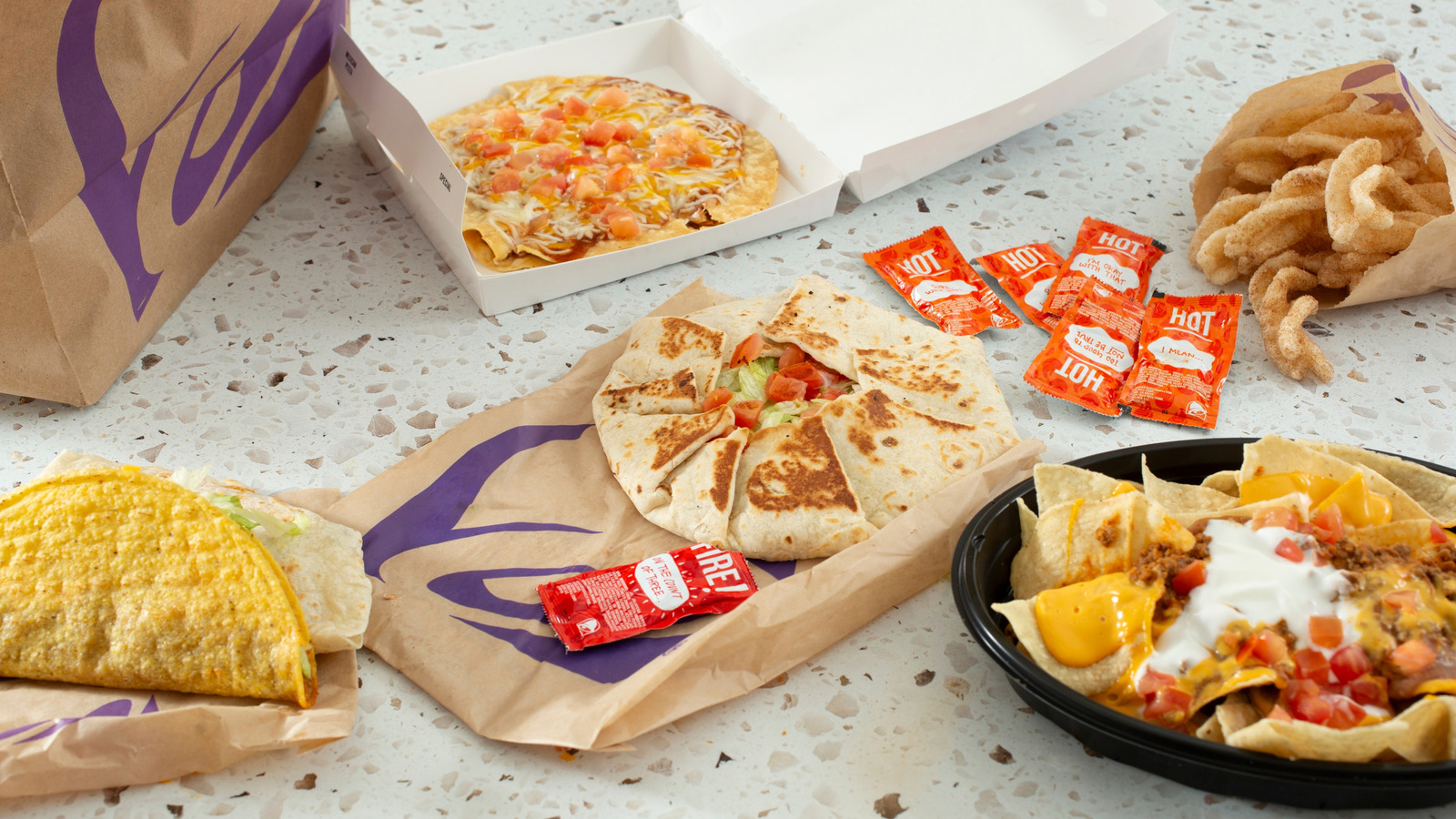
Taco Bell's bottled hot sauces come from PepsiCo's Rottweiler brand, the same company behind a portfolio of sauces sold in grocery stores nationwide. This relationship reflects how major fast-food chains outsource their condiment production to established consumer packaged goods companies rather than manufacturing in-house.
PepsiCo owns both Taco Bell and numerous sauce brands, creating vertical integration that allows the corporation to control the supply chain from production to restaurant distribution. The branded sauces available for purchase at retail represent the same formulas customers taste at the chain, though the bottled versions may differ slightly in texture and shelf-stability requirements compared to restaurant dispenser versions.
This practice extends across the industry. McDonald's sources its sauces from multiple producers, while Chick-fil-A partners with different manufacturers for its proprietary condiments. The bottled retail versions generate additional revenue streams for parent companies, turning restaurant exclusives into consumer packaged goods.
Taco Bell's hot sauce lineup, ranging from mild Fire to extreme Diablo, became iconic through decades of marketing and menu innovation. The decision to sell these sauces in bottles capitalizes on brand loyalty and the growing consumer appetite for restaurant-quality condiments at home. Grocery chains stock them in expanding hot sauce sections, competing for shelf space alongside artisanal and international brands.
The arrangement also reveals broader food industry economics. Fast-food chains leverage their parent companies' manufacturing and distribution networks, reducing costs and ensuring consistency across thousands of locations. For consumers, it means accessing restaurant flavors without visiting a store, though online retailers often stock them at competitive prices.
PepsiCo's ownership of both the restaurant chain and sauce production represents the kind of corporate consolidation common in modern food systems, where single companies control multiple tiers of food production and distribution.