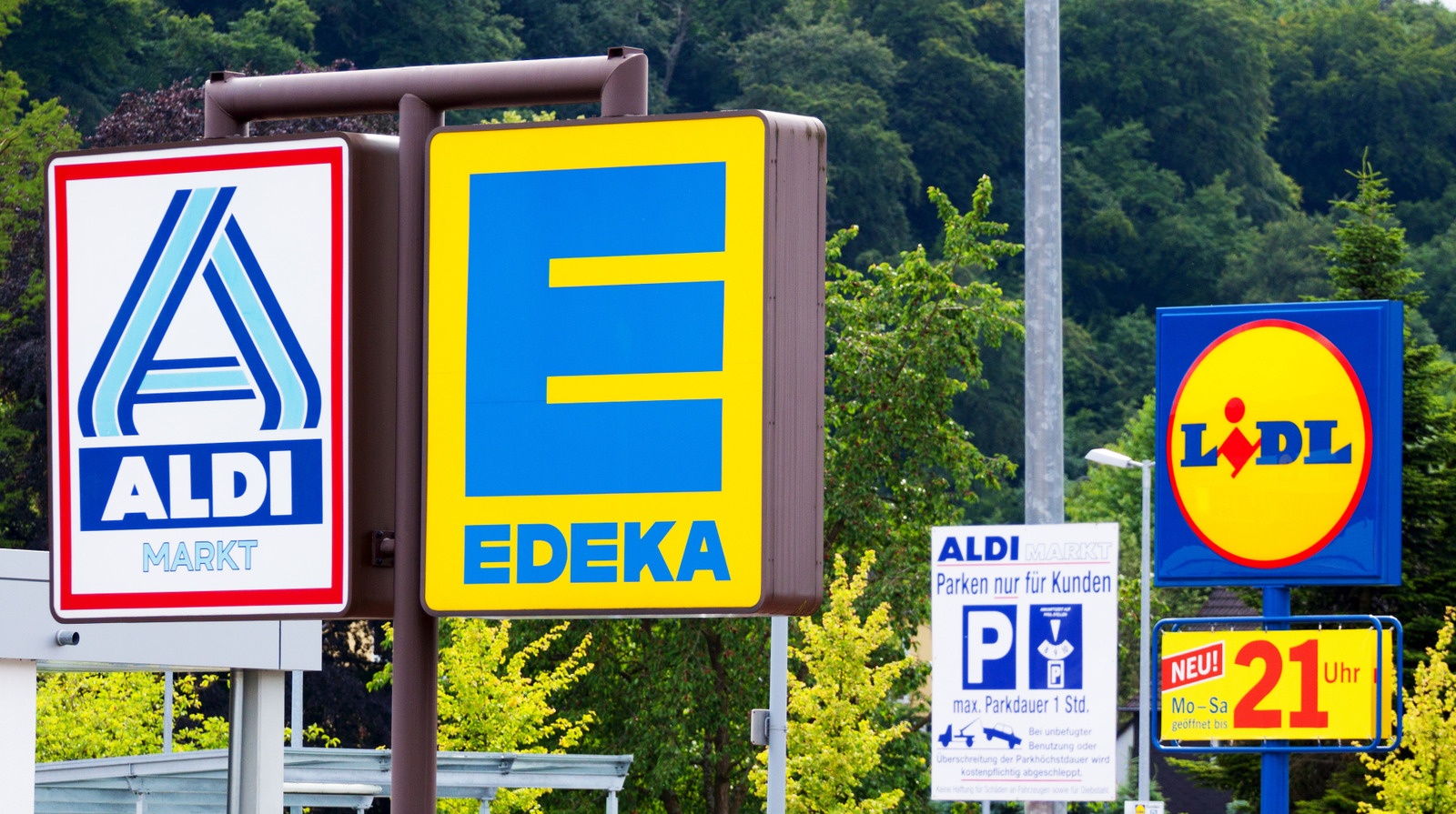
German discount grocers Aldi and Lidl dominate European and American shelves, yet operate with distinct philosophies that shape how shoppers experience each chain.
Aldi built its empire on ruthless efficiency. The chain stocks roughly 1,400 SKUs across its stores, compared to Lidl's broader 2,200 items. This constraint forces Aldi to negotiate harder with suppliers and pass savings directly to customers. Aldi also limits its private label offerings to a curated selection, betting that fewer choices actually accelerate purchases. The checkout experience reflects this minimalism. Aldi staff scan items rapidly while customers pack their own bags, a model that reduces labor costs without sacrificing speed.
Lidl takes a different route. The chain maintains higher inventory levels and rotates weekly specials that draw shoppers back for deals on non-grocery items like tools or kitchen gadgets. This strategy mirrors traditional supermarkets more closely, offering customers the psychological comfort of selection. Lidl's checkout experience mirrors conventional grocery stores, with staff packing bags for customers. The company invests more heavily in store aesthetics and layout, creating a less utilitarian shopping environment.
Pricing divides along product categories. Aldi typically undercuts Lidl on staples like dairy, produce, and proteins. Lidl compensates with aggressive weekly promotional pricing on seasonal items and branded goods. Both chains source heavily from private labels, though Aldi's exclusive brands command stronger customer loyalty.
Store formats differ too. Aldi prioritizes compact neighborhood locations under 12,000 square feet, fitting into dense urban areas where Lidl often requires larger spaces. This real estate strategy gives Aldi geographic advantages in cities.
Both chains challenge mainstream competitors like Kroger, Walmart, and Tesco by demonstrating that profitability doesn't require product abundance. Yet their divergent approaches