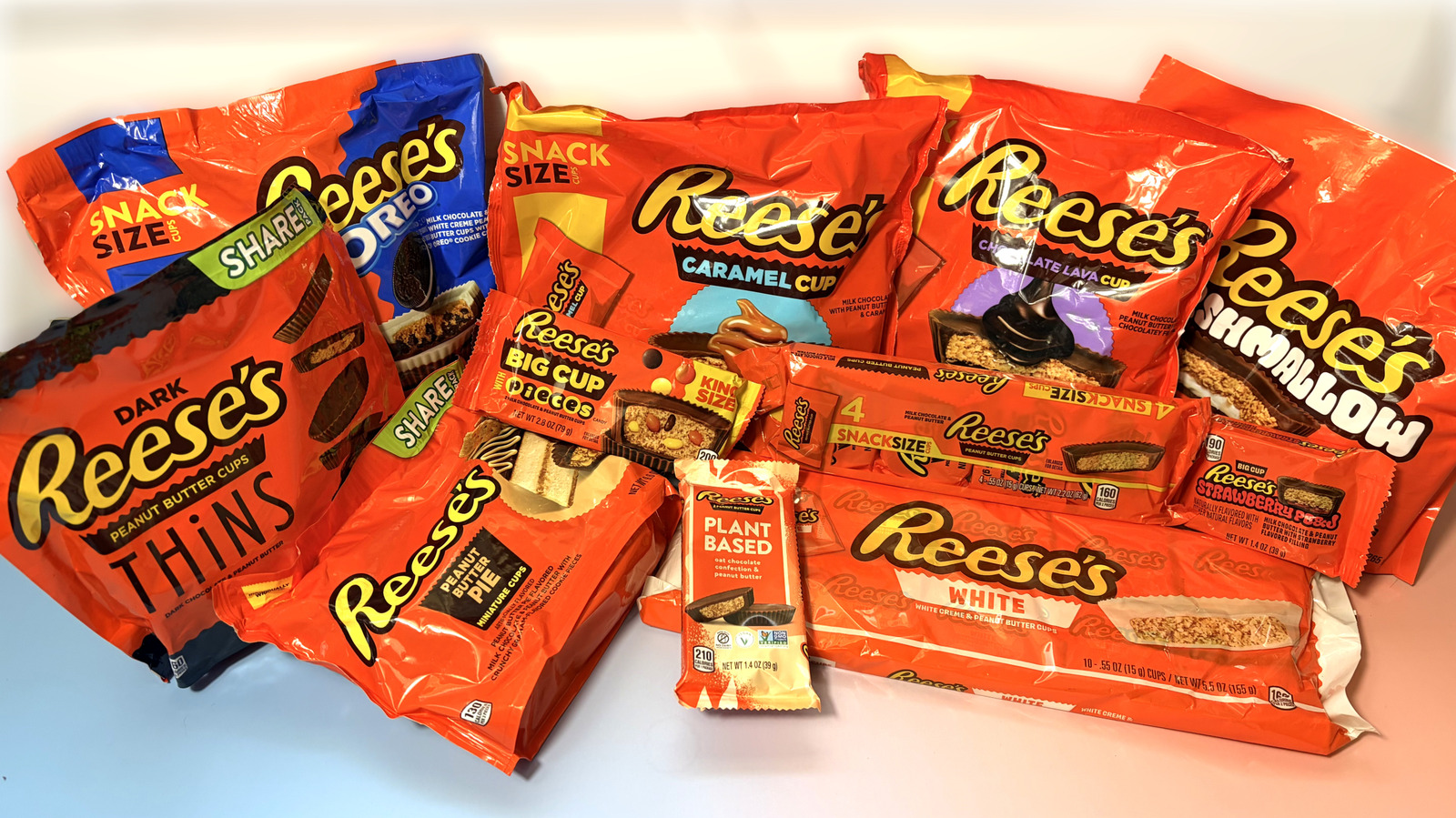
A taste tester ranked eleven Reese's Peanut Butter Cup variations to determine whether any flavor innovations surpass the classic combination of chocolate and peanut butter. The evaluation tested the breadth of Hershey's lineup, which extends far beyond the iconic original cups that have dominated American candy aisles since 1928.
The ranking exercise reveals how Reese's has pushed boundaries with unconventional flavors over recent years. The brand has ventured into territory ranging from seasonal releases to permanent additions, each attempting to capture consumer interest through novelty while maintaining the core peanut butter-chocolate foundation that defines the brand.
Taste tests like this one serve as informal market research. They gauge which flavor experiments resonate with consumers and which fall flat. Some variations—think honey, maple, or coffee-infused options—add complexity to the straightforward sweetness of the original. Others introduce textural changes, swapping the familiar ridged chocolate shell for different formats or adding crispy elements.
The original Reese's Cup, introduced nearly a century ago, remains the benchmark against which all innovations measure themselves. Its formula balances salted peanut butter filling with a thin milk chocolate coating, creating a simple equation that has proven nearly impossible to improve. Yet Reese's continues experimenting, banking on the loyal consumer base willing to try new iterations.
These taste tests matter because they influence purchasing decisions. When a reviewer declares one variation superior to the original, it can drive sales. Conversely, negative rankings might steer consumers back to what they know works. For Hershey, maintaining dominance in the chocolate-peanut butter candy category requires constant innovation, even if the original formula rarely loses its crown.
The takeaway from such rankings often proves predictable: novelty flavors generate excitement, but they rarely dethrone the classic.