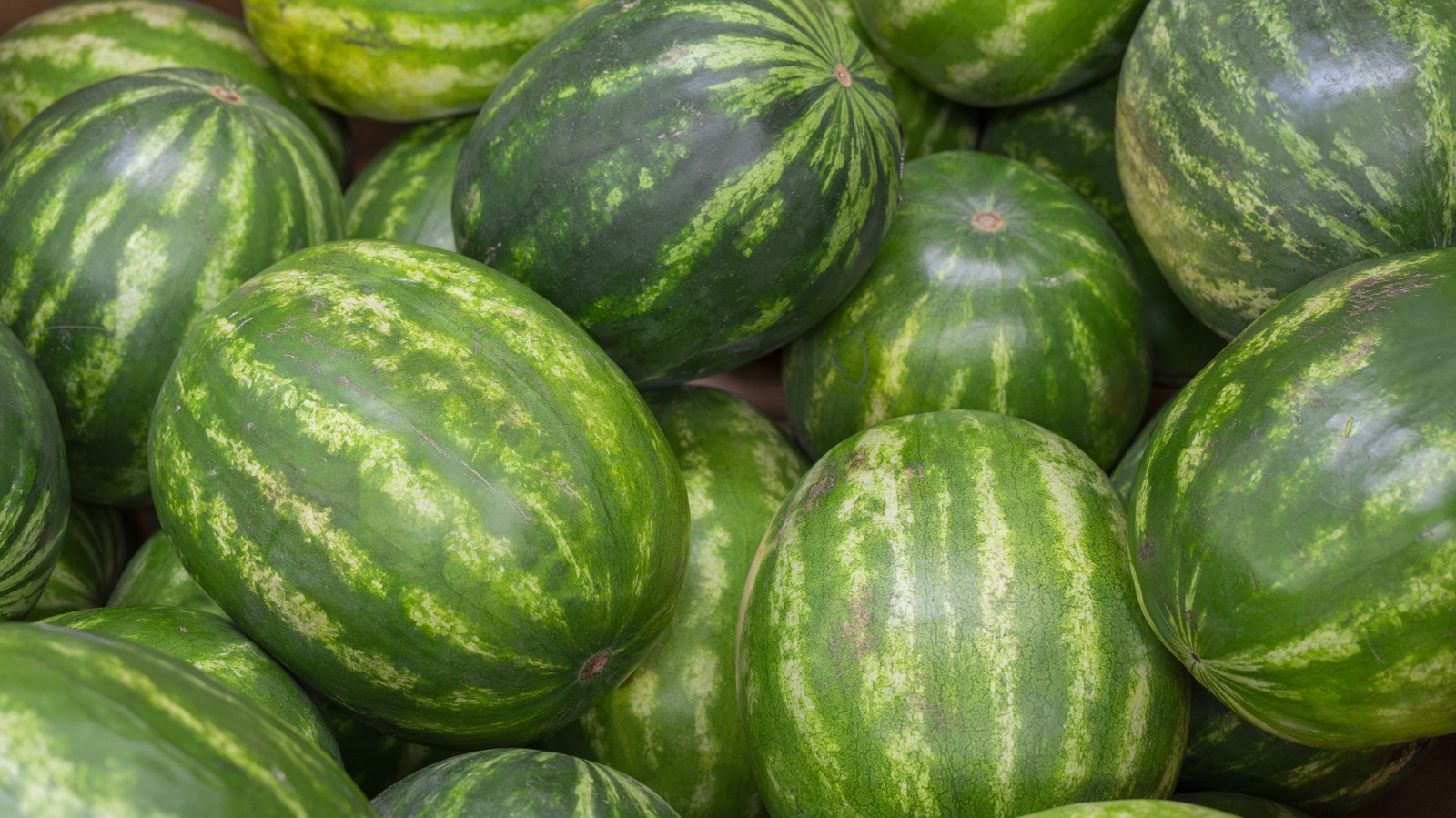
A whole watermelon delivers roughly 4.6 grams of protein, making it a minor contributor to daily protein intake but a hydrating fruit option nonetheless. An average 5-pound watermelon contains this modest amount, spread across its flesh and seeds.
The protein distribution matters. The edible flesh provides most calories and water content, while watermelon seeds pack considerably more protein density. A single ounce of dried watermelon seeds contains around 10 grams of protein, making them a legitimate snack for those seeking plant-based protein sources. Many cuisines, particularly in the Middle East and Asia, have long recognized watermelon seeds as a nutritious food worthy of roasting and seasoning.
For context, meeting daily protein requirements (46 grams for a 150-pound adult) through watermelon alone would require consuming roughly 50 whole melons. The fruit's value lies elsewhere. Watermelon delivers 92 percent water content, making it exceptional for hydration during summer months. It also contains citrulline, an amino acid that supports cardiovascular function and may improve athletic performance.
Fitness enthusiasts and athletes typically turn to watermelon for its hydration properties and post-workout carbohydrates rather than protein content. The fruit's natural sugars (roughly 12 grams per cup of diced melon) replenish glycogen stores after exercise. Combined with its vitamin C and lycopene content, watermelon serves a specific nutritional purpose within a balanced diet.
The takeaway for protein-conscious eaters: treat watermelon as a hydrating summer staple and electrolyte source, not a protein pillar. Those seeking meaningful protein from watermelon should prioritize the seeds, either fresh or roasted, which transform a humble byproduct into a genuinely protein-rich snack worthy of kitchen focus.