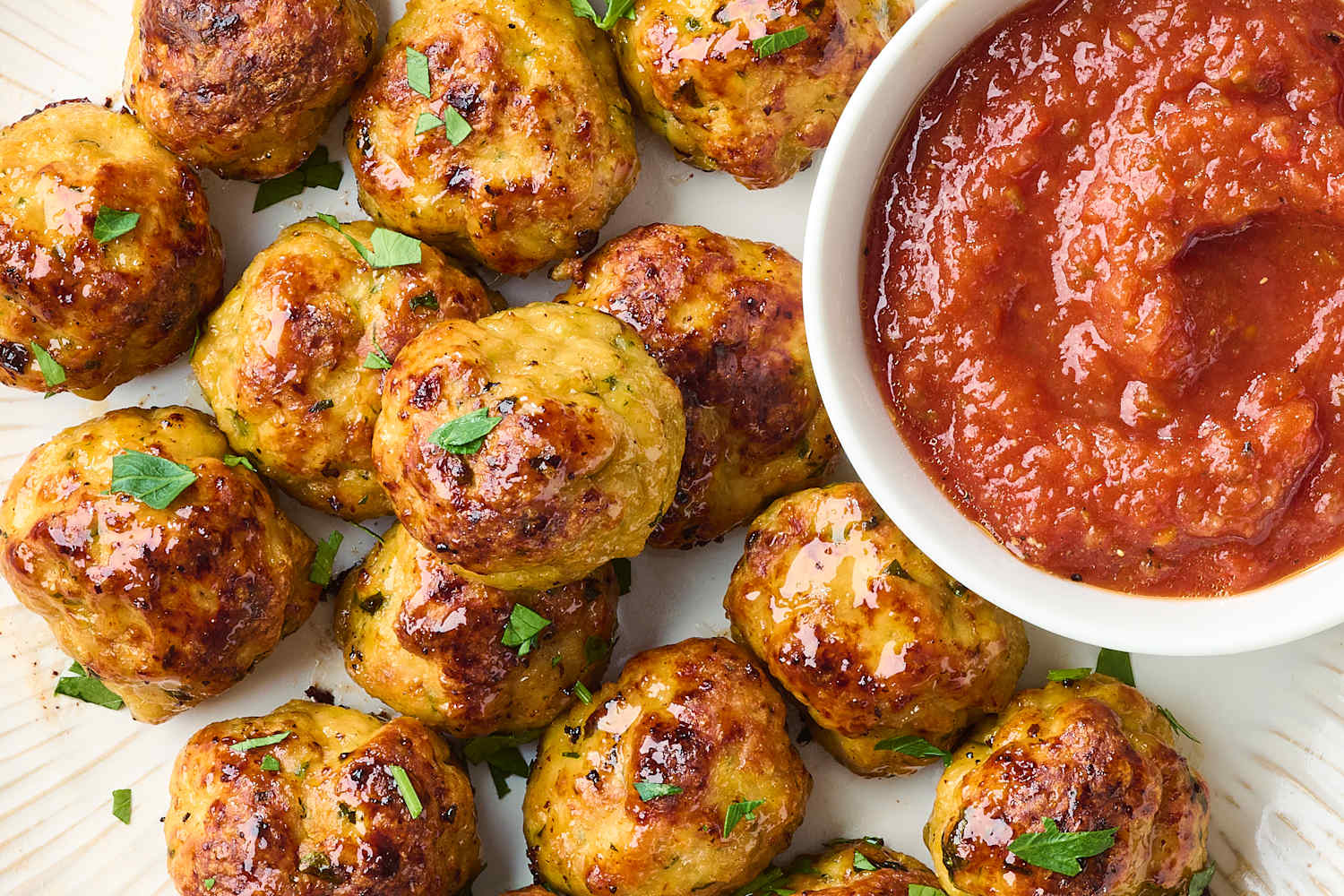
Chicken meatballs have earned their place as a reliable weeknight staple, functioning much like the little black dress of dinner. They work across cuisines, pair with endless sauces, and satisfy both home cooks seeking weekday solutions and diners looking for comfort.
The appeal lies in their versatility. Ground chicken absorbs flavors easily, making meatballs adaptable to Swedish cream sauces, marinara, teriyaki glazes, or yogurt-based dressings. They cook quickly, brown evenly, and freeze well for meal prep. Unlike beef meatballs, chicken versions arrive leaner while remaining tender when properly bound with breadcrumbs and egg.
Home cooks favor chicken meatballs because they require minimal technique. Mix ground chicken with seasonings, binder, and aromatics. Bake or pan-sear until cooked through. The result delivers protein-forward meals without demanding knife skills or extended cooking times. Parents serve them to children. Date-night cooks nestle them into pasta. Entertaining hosts crowd them onto platters with dipping sauces.
Restaurants recognize this appeal too. Scandinavian establishments have built reputations on meatball mastery. Swedish meatballs topped with sour cream and lingonberries fill menus from Stockholm to suburban shopping centers. Asian restaurants roll chicken meatballs in ginger and scallion, offering them as appetizers. Mediterranean spots fold them into warm pita with tzatziki.
The chicken meatball's ascendancy reflects broader cooking trends. Home cooks prioritize weeknight efficiency and cleaner proteins. Meal prep culture demands freezer-friendly components. Health-conscious diners prefer chicken to beef without sacrificing satisfaction.
The secret to excellent chicken meatballs involves restraint and binding. Overmixing tough