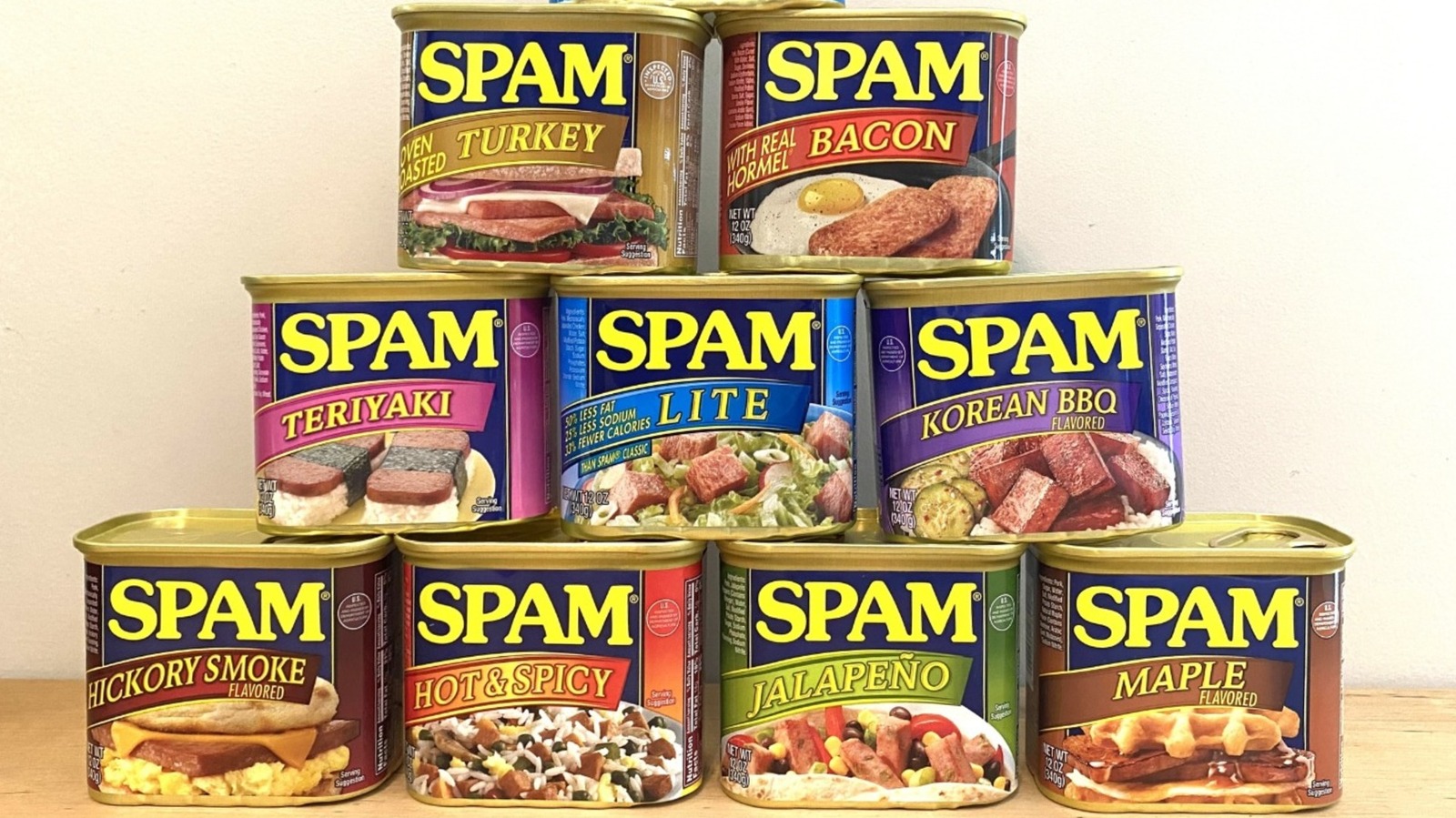
Spam occupies a peculiar place in global cuisine. The canned pork product, manufactured by Hormel Foods since 1937, has evolved far beyond its humble origins as a shelf-stable protein for American households. Today, the brand offers eleven distinct flavors, each targeting different culinary traditions and regional tastes.
Food Republic recently conducted a blind tasting, ranking these variations from worst to best. The classic original Spam, made from pork shoulder, ham, salt, water, sugar, and sodium nitrite, remains the baseline. But the portfolio now extends to Hot and Spicy, Lite, Low Sodium, Bacon, Jalapeño Cheese, Teriyaki, and others specifically engineered for Asian markets where Spam commands genuine respect as a premium ingredient.
The ranking exercise reveals something deeper about processed meat culture. In Hawaii, Spam appears in local musubi and fried rice with cultural reverence. In South Korea, the brand carries enough prestige that luxury gift sets command premium prices during holidays. In the Philippines, it anchors breakfasts and fiesta tables. Meanwhile, stateside consumers largely view it as either nostalgic comfort food or culinary shorthand for processed excess.
The flavored variants attempt to bridge these perceptions. Teriyaki Spam appeals to Asian diners familiar with umami-forward preparations. Jalapeño Cheese targets Southwestern American palates. Bacon layering creates redundancy in an already pork-forward product, yet it sells.
What matters here is accessibility. Spam requires no refrigeration, demands minimal preparation, and delivers consistent results across decades and continents. A can opened in 1985 tastes identical to one opened today. That reliability, paired with strategic flavor innovation, explains why a product born during the Great Depression remains a billion-dollar global business.
The ranking ultimately reflects personal preference shaped