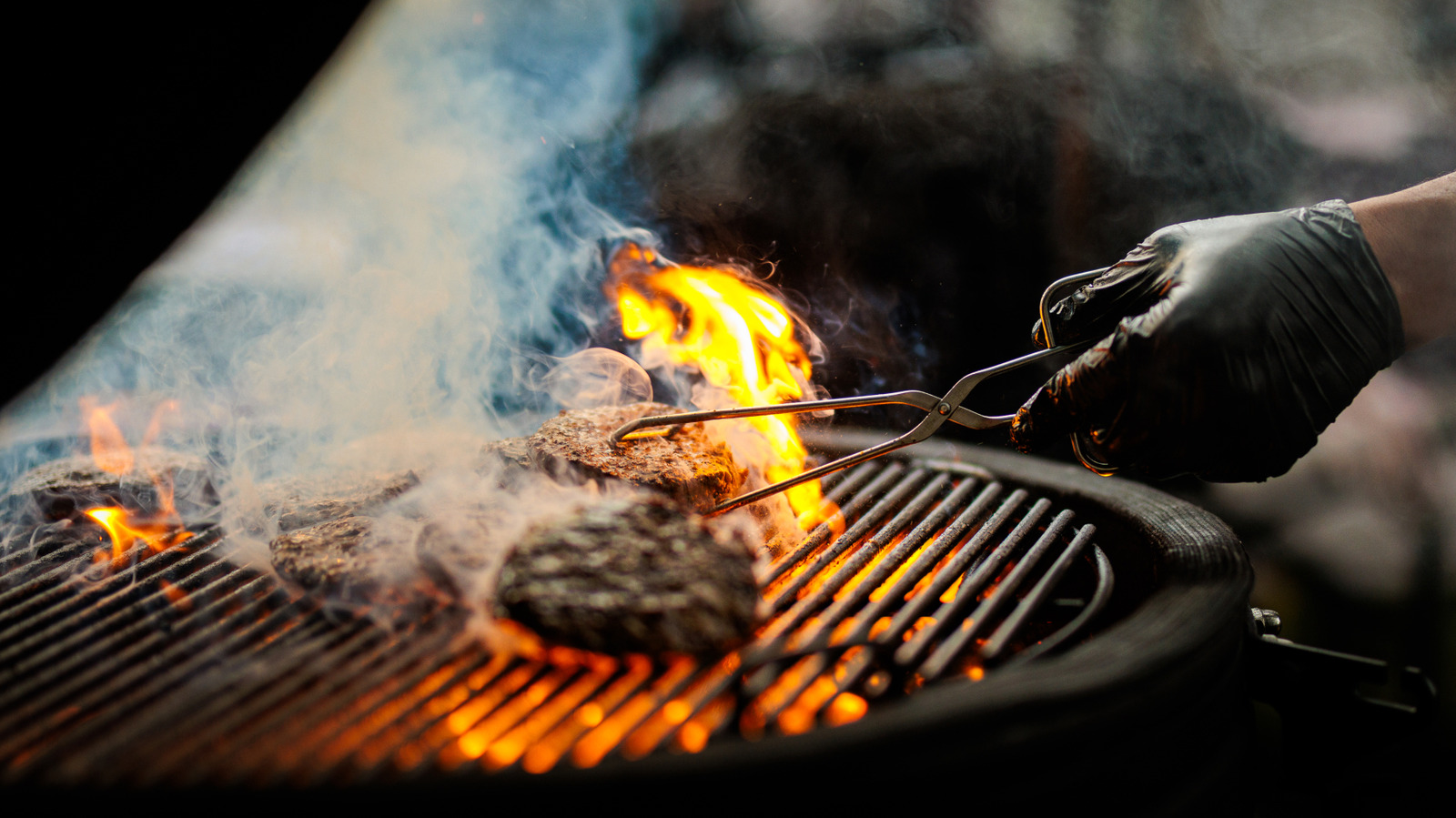
American and Italian grilling traditions diverge sharply in equipment, technique, and philosophy, despite both cultures' deep commitment to cooking over flame.
American grilling centers on the backyard barbecue, typically fueled by charcoal or gas. The standard setup features a metal grate positioned above the heat source, designed for high-temperature searing and direct cooking. American grillers prioritize speed and convenience, often favoring gas grills for their ease of use and temperature control. The approach emphasizes thick cuts of meat, burgers, and hot dogs cooked quickly over intense heat. Charring and caramelization matter most. This method reflects post-war American suburban culture, where grilling became a casual weekend ritual.
Italian grilling operates from entirely different roots. The Italian grill, or "grigliata," uses wood fires and open flames with a more rustic sensibility. Cooks position food further from the heat source, employing lower temperatures and longer cooking times. This technique suits smaller, leaner cuts, whole fish, and vegetables prized for their smoky flavor rather than char alone. Italian grilling embraces the wood itself as an ingredient. Different woods impart distinct flavors. The method reflects Mediterranean coastal and rural traditions where grilling predates modern suburbia.
Equipment differs too. Italian grills often feature adjustable grates that move vertically to control heat exposure. American grills typically keep the grate fixed, with temperature managed by lid placement or burner output. American grills prioritize consistency and predictability. Italian grills prioritize relationship with fire and wood selection.
Both cultures achieve masterful char and flavor, but through opposing philosophies. Americans grill to cook quickly and feed crowds efficiently. Italians grill to develop deep, complex flavors through patience and wood knowledge. Neither approach dominates. Each reflects its culture's relationship with time, tradition,