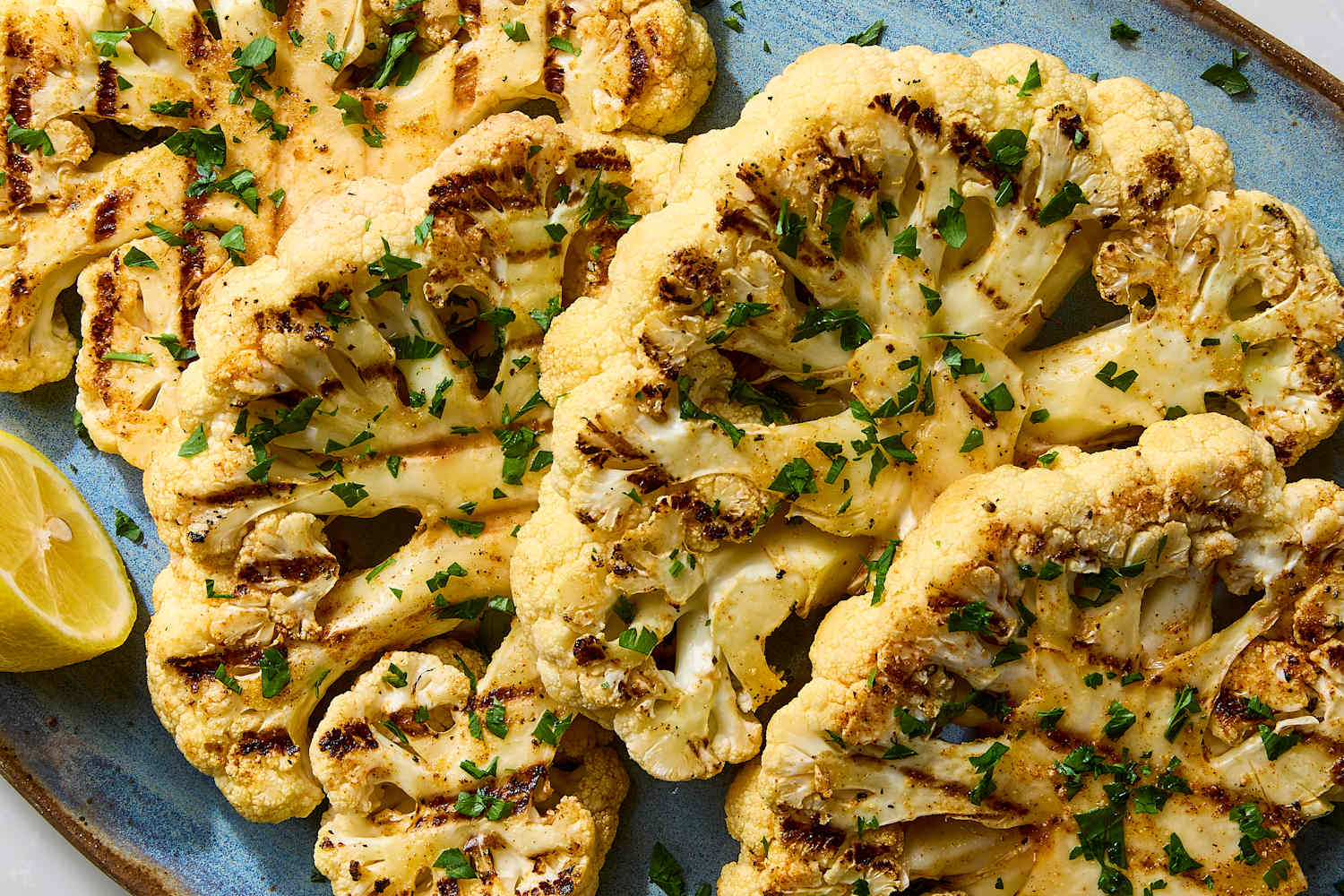
Grilling cauliflower transforms the vegetable in ways roasting simply cannot match. Direct heat creates charred, caramelized edges while the interior stays tender and slightly sweet. The Kitchn's approach highlights what makes this cooking method superior for cruciferous vegetables.
High-heat grilling develops a crust through the Maillard reaction, the chemical process that browns food and deepens flavor. Cauliflower steaks or florets achieve smoky notes and complexity that oven roasting struggles to replicate. The grill's intense, directional heat produces spots of caramelization that give texture and visual appeal.
The technique works best with thick-cut steaks sliced lengthwise from the head, brushed with olive oil and seasoned simply with salt and pepper. A two-zone fire, with one side hot and one cooler, allows you to char the vegetable without burning it. Grill marks become badges of proper execution, signaling both flavor development and restaurant-quality presentation.
Grilled cauliflower pairs beautifully with finishing touches. A drizzle of tahini sauce, squeeze of lemon, sprinkle of za'atar, or handful of pomegranate seeds elevates the dish. Some cooks finish with crispy garlic chips or a spice blend for warmth and depth.
This method appeals to home cooks seeking vegetable-forward meals with serious flavor. Plant-based diets benefit from cauliflower's versatility and ability to satisfy without meat. The grilled version feels indulgent enough for meatless Mondays or casual weeknight dinners, yet refined enough for entertaining.
Grilling season makes this preparation especially relevant. As temperatures rise, firing up the grill for vegetables alongside proteins becomes routine. Cauliflower's neutral character means it plays well with any