Manhattan's steakhouse scene just got a refresh. New proteins and unexpected preparations are arriving on menus across the city, signaling a shift away from the traditional bone-in ribeye formula that defined American steakhouses for decades.
The star addition is wagyu katsu. Japanese-style breaded and fried wagyu cutlet represents a direct collision of culinary traditions. The technique originated in Nagasaki during the Meiji era, when Portuguese traders introduced frying methods. Now steakhouses are adopting it, serving ultra-tender A5 wagyu in crispy, golden panko coating. The dish cuts through the richness of traditional steak preparations with textural contrast and technique.
Pork chops are returning to prominence on upscale menus after years as a casual-dining staple. These aren't thin, quick-cooking cuts. Chefs are sourcing thick-cut heritage pork, brining and finishing them in cast iron to develop crust while maintaining pink centers. The meat's natural sweetness pairs with classic steakhouse sides.
Lamb ribs represent another shift. Where lamb traditionally appears as a rack or chop, ribs offer casual, hands-on eating. Restaurants are slow-roasting them until meat pulls cleanly from bone, then finishing with aggressive seasoning and perhaps a char from the broiler.
Catalonian leeks bring vegetable focus. Unlike standard leek preparation, this approach embraces charring and sometimes romesco sauce, the Spanish red pepper and almond sauce that adds earthiness and nutty depth.
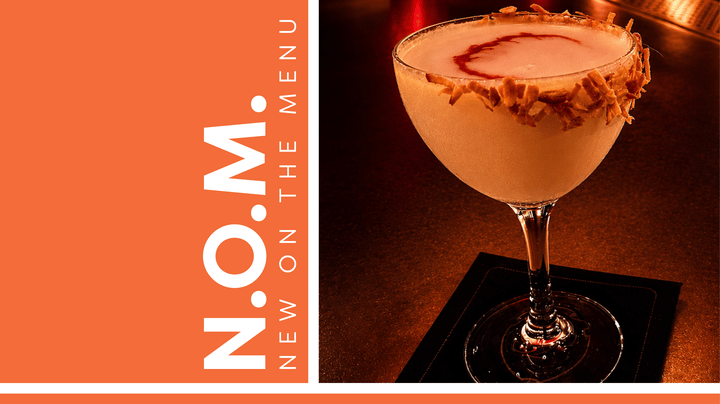
A tropical drink reimagined for steakhouse service suggests bartenders are moving beyond whiskey-forward classics. Rum or cachaca bases, fresh citrus, and perhaps spiced elements create drinks that refresh rather than merely accompany a steak dinner.
These changes reflect broader restaurant evolution. Diners