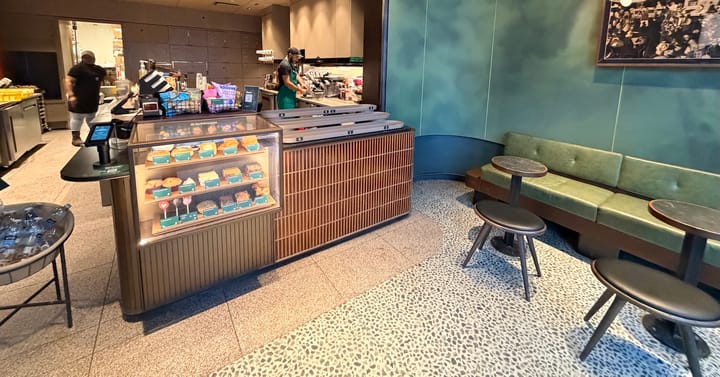
Starbucks is betting on a smaller store format to fuel expansion across America. The coffee giant plans to open as many as 10,000 new U.S. locations, with a significant portion operating from compact footprints that still include drive-thru windows.
This shift represents a fundamental change in how Starbucks approaches real estate. Traditional Starbucks stores demand substantial square footage for seating, espresso bars, and customer traffic flow. Smaller formats eliminate extensive seating areas while retaining the drive-thru, a revenue driver that accounts for roughly 70 percent of Starbucks transactions in the United States.
The strategy addresses two business realities. First, prime retail real estate has become increasingly expensive and competitive. Smaller stores reduce overhead costs for rent, utilities, and staffing. Second, consumer behavior has shifted sharply toward convenience and speed. Drive-thru customers prioritize quick transactions over lingering cafe experiences, particularly post-pandemic.
Starbucks has already tested compact store models in select markets. These locations strip away the third-place atmosphere the chain built its reputation on, but they capture high-volume transactions in urban neighborhoods, airports, and suburban corridors where traditional stores cannot fit.
The expansion targets underestimate market saturation concerns. With roughly 16,000 U.S. Starbucks stores already operating, adding 5,000 to 10,000 new locations will create overlap in many markets. This cannibalization could pressure same-store sales at existing locations. However, Starbucks believes untapped demand remains, particularly in underpenetrated suburbs and smaller cities.
The smaller-store model also addresses labor pressures. Streamlined operations require fewer employees than full-service locations, potentially easing scheduling challenges and reducing wage burden during a period of tight labor markets.
For consumers, this expansion delivers convenience but