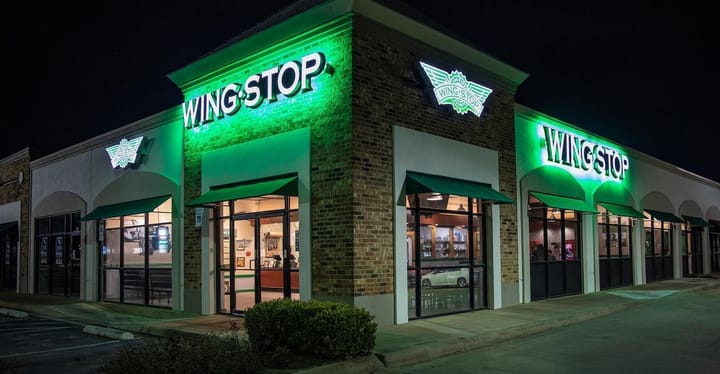
# Starbucks and Wingstop Face Growing Pressure Over Swipe Fee Costs
Credit card processing fees continue to squeeze restaurant operators across the sector, with major chains including Starbucks and Wingstop confronting rising payment costs that directly impact their bottom lines. These interchange fees, charged by credit card networks and banks each time a customer swipes or taps their card, have become a persistent burden for quick-service and fast-casual restaurants navigating thin profit margins.
The issue reflects a broader industry challenge. Swipe fees typically range from 1.5 to 3 percent of each transaction, accumulating into millions annually for high-volume chains. Starbucks, which processes enormous transaction volumes across its thousands of locations, faces particularly steep aggregate costs. Wingstop, with its rapid expansion and card-dependent customer base, experiences comparable pressures.
Restaurants have limited leverage in negotiations. Unlike some retailers, food service operators cannot easily absorb or shift these costs without risking customer backlash or reducing menu prices to unsustainable levels. The pandemic accelerated digital payment adoption, which paradoxically worsened the swipe fee problem as contactless transactions became standard.
Some operators explore surcharging customers for card payments or incentivizing cash transactions, though such tactics risk alienating consumers accustomed to frictionless checkout experiences. Others lobby for regulatory intervention, pointing to European cap structures that limit interchange percentages far below American standards.
The fee structure remains contentious because credit networks maintain significant pricing power. Banks earn interchange revenue, creating little incentive for rate reductions. Without legislative pressure or industry-wide resistance, restaurants face continued cost escalation.
For chains like Starbucks and Wingstop, these fees represent unavoidable operational expenses that compress margins already pressured by labor, commodity, and real estate costs. The situation underscores