# What Cowboys Actually Ate, and Why We Still Cook That Way
Cowboy-style cooking conjures images of rugged frontier meals cooked over open flames. The term has become shorthand for hearty, meat-forward dishes, but the culinary reality of 19th-century cattle herders was far more pragmatic than romantic.
Cowboys subsisted primarily on what they could transport and preserve during long cattle drives across harsh terrain. Beef dominated their diet, but not the tender cuts we prize today. They ate tough, salted brisket, jerky, and organ meats that required hours of cooking to become palatable. Beans provided essential protein and calories. Biscuits, hardtack, and sourdough bread filled gaps. Canned tomatoes, canned condensed milk, and coffee rounded out provisions that could survive weeks in saddlebags.
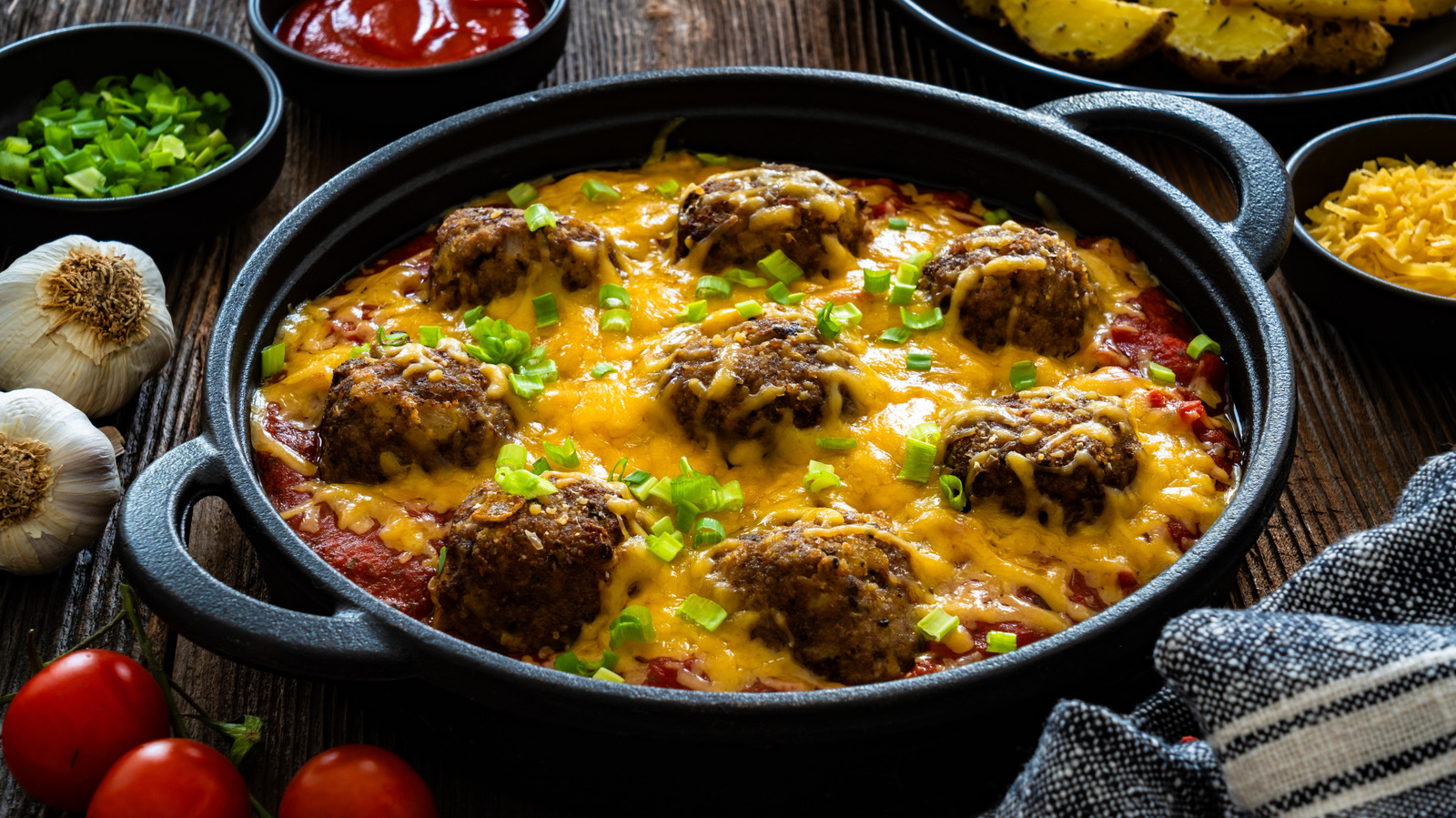
Modern cowboy-style recipes capture this spirit through specific techniques and flavors. Cast iron cookware features prominently, evoking campfire meals. Recipes emphasize beef as the centerpiece, often grilled or slow-cooked. Beans appear as a standard side. Smoke flavor from wood fires or smoked spices becomes essential. These dishes prioritize bold, unfussy preparation over delicate technique.
The commercialization of cowboy cuisine reflects broader American mythology. Restaurants label items "cowboy-style" to signal authenticity and toughness, appealing to diners who value substance over sophistication. A cowboy steak arrives grilled simply with salt and pepper. Cowboy beans simmer for hours with beef and onions. Even cowboy coffee, brewed strong and thick in a blackened pot, represents the stripped-down efficiency of frontier cooking.
What separates actual cowboy fare from the marketed version matters less than understanding the appeal. Cowboy-style cooking celebrates ingredients that