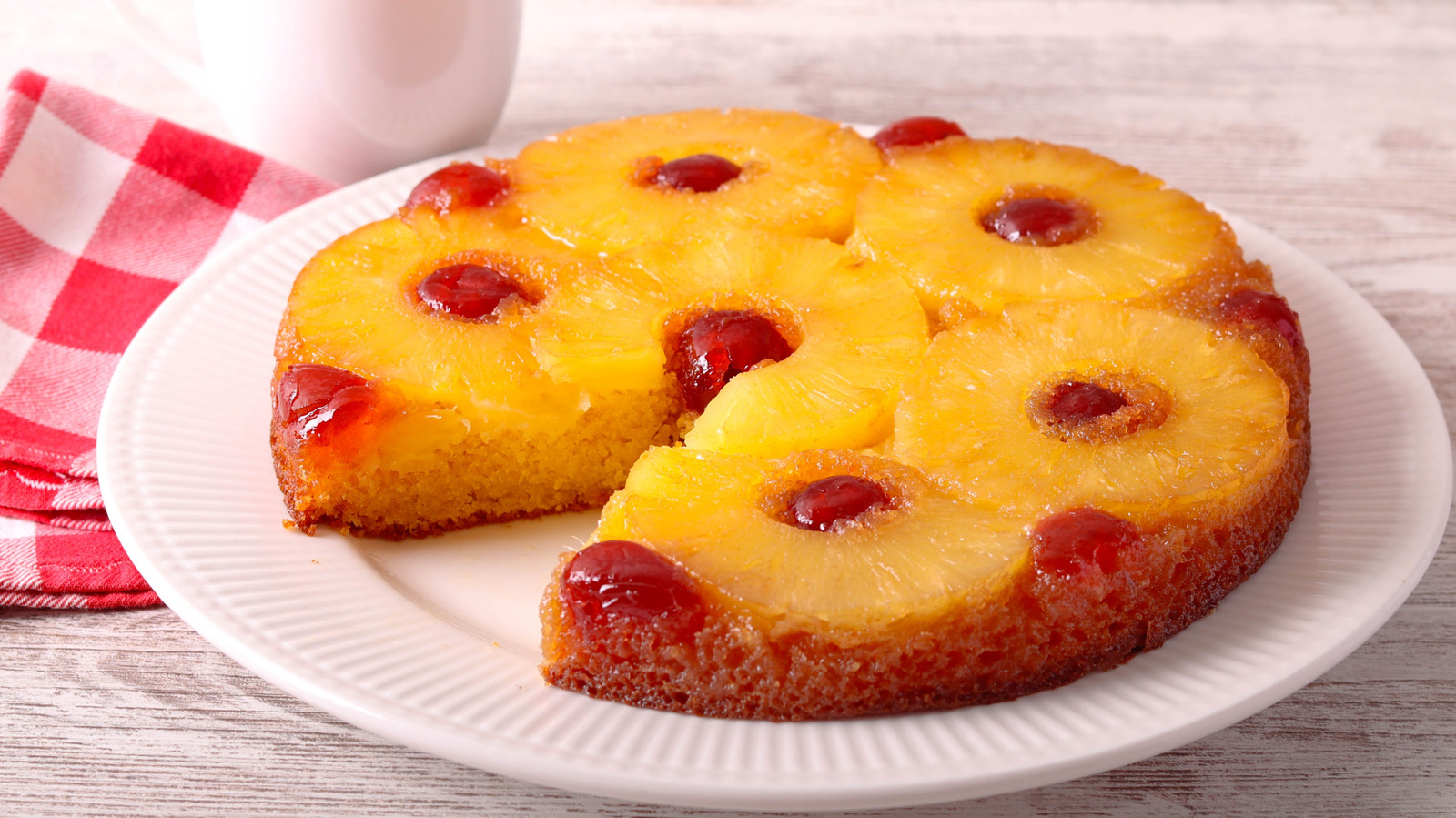
Pineapple upside down cake intimidates home bakers, but the technique remains fundamentally simple when you follow professional guidance. The Daily Meal compiled thirteen baker-tested strategies to transform this retro dessert from potential disaster into showstopper.
The cake's success hinges on a few non-negotiable elements. Bakers stress the importance of caramelizing the sugar and butter base properly—the foundation that locks in flavor and creates that glossy, amber glaze. This topping must reach the right temperature before you arrange pineapple rings and maraschino cherries, or they'll slide during baking.
Choice of pineapple matters considerably. Fresh fruit releases more moisture than canned, which affects baking time and cake structure. Bakers recommend patting fruit dry before placement. The cake batter itself should be straightforward. Classic recipes rely on butter, sugar, eggs, and flour without complicated techniques. Room-temperature ingredients incorporate more evenly, yielding tender crumbs rather than dense, rubbery texture.
Pan selection determines whether your cake releases cleanly. Metal pans conduct heat more effectively than glass, and size precision matters. A too-small pan causes overflow; too large creates thin, dry cake. Many professionals use cast iron skillets, which retain heat and help develop that caramelized bottom layer.
The inversion moment terrifies bakers most. Experts recommend cooling the cake just enough so it holds together but remains warm enough for the caramel to stick to the cake rather than the pan. Patience here prevents catastrophe. Running a thin knife around the edges before flipping ensures clean separation.
These tips eliminate guesswork from the baking process. Whether you're reviving a grandmother's recipe or attempting pineapple upside down cake for the first time, professional standards make the difference between forgettable and