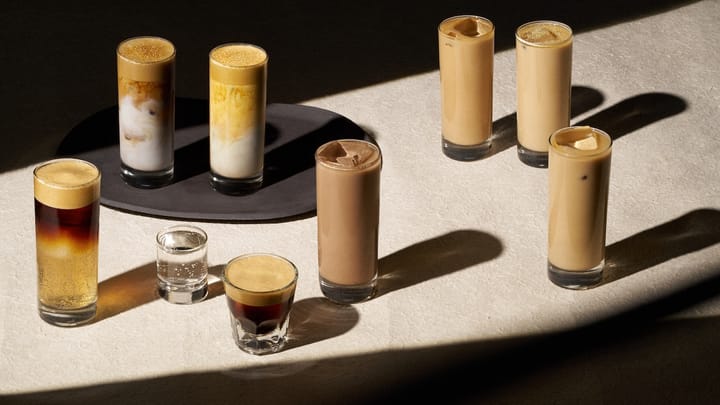
Blue Bottle Coffee introduces Kyoto-Style Espresso, a cold espresso crafted through slow-drip extraction rather than machine preparation. The method draws inspiration from traditional Japanese brewing techniques developed in Kyoto, where precision and patience define the coffee-making process.
The slow-drip approach produces espresso by gradually filtering water through grounds over an extended period, creating a concentrate with distinct flavor characteristics. This labor-intensive technique contrasts sharply with conventional espresso machines that rely on pressure and speed to extract shots.
Blue Bottle, the specialty coffee roaster acquired by Nestle in 2019, positions this product within the growing cold coffee category that has dominated beverage sales across third-wave coffee shops. The company capitalizes on consumer fascination with Japanese coffee culture, which emphasizes meticulous preparation methods and sensory refinement.
The Kyoto-style brewing method originated in Japan during the 18th century and has experienced renewed interest among specialty coffee enthusiasts seeking alternatives to espresso machine extraction. The technique allows baristas to control variables like water temperature, drip rate, and contact time with grounds, producing a smoother, less acidic concentrate than traditional espresso.
This launch reflects broader industry trends toward artisanal preparation methods and heritage-inspired beverages. As consumers increasingly seek transparency and craftsmanship in their coffee purchases, Blue Bottle responds by emphasizing technique-driven production rooted in global coffee traditions.
The product enters a competitive cold coffee market where cold brew, nitro coffee, and ready-to-drink espresso beverages command shelf space and café menus. Blue Bottle's Kyoto-style offering differentiate itself through cultural storytelling and manual preparation, appealing to customers willing to pay premiums for methodical coffee craftsmanship.