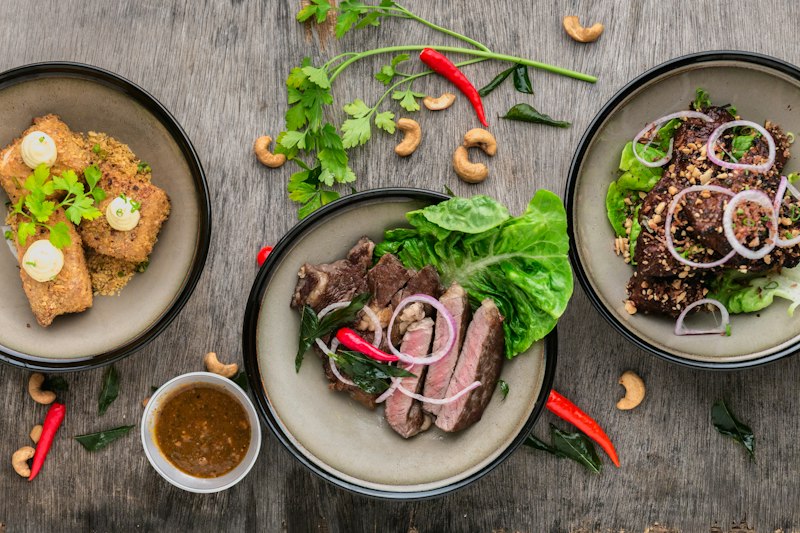
Hanger steak is displacing ribeye as the smart choice for budget-conscious cooks who refuse to sacrifice tenderness or flavor. This underutilized cut costs significantly less than premium steaks while delivering the same satisfaction at the dinner table.
Chefs champion hanger steak for its marbling and texture. The meat comes from the diaphragm of the cow, a muscle that produces surprising tenderness when cooked properly. Unlike tougher budget cuts that demand hours of braising, hanger steak reaches peak doneness in minutes on a hot grill or cast-iron skillet. A quick sear at high heat, followed by rest, yields a steak with a caramelized crust and pink center.
The price advantage matters. Hanger steak typically costs 40 to 50 percent less per pound than ribeye, making it ideal for feeding groups. A single hanger steak weighing one to one-and-a-half pounds serves four to six people generously. This economics-to-flavor ratio explains why the cut has migrated from butcher shop scraps to restaurant menus and home kitchens.
The key to success lies in respecting the grain. Hanger steak features pronounced muscle fibers that demand slicing against the grain after cooking. This step breaks down the fibers, ensuring each bite remains tender. Seasoning stays minimal. Salt, pepper, and fresh garlic suffice. The meat's natural beefy flavor needs no embellishment.
Sourcing quality matters. Buy from butchers who understand the cut's value rather than specialty grocery chains where it may sit under fluorescent lights. Ask your butcher to trim excess sinew, though some fat marbling should remain.
Grilling transforms hanger steak into the season's centerpiece. The high heat creates crust while the relatively thin cut