Burger King, Dunkin', and White Castle have launched fresh menu offerings as quick-service chains compete for consumer attention through limited-time and permanent additions.
Burger King introduced new chicken sandwich options designed to capture market share in the heated poultry category. Dunkin' expanded its beverage lineup with seasonal drinks aimed at driving traffic during peak dayparts. White Castle, known for its slider format, tested new flavor combinations to appeal beyond its core customer base.
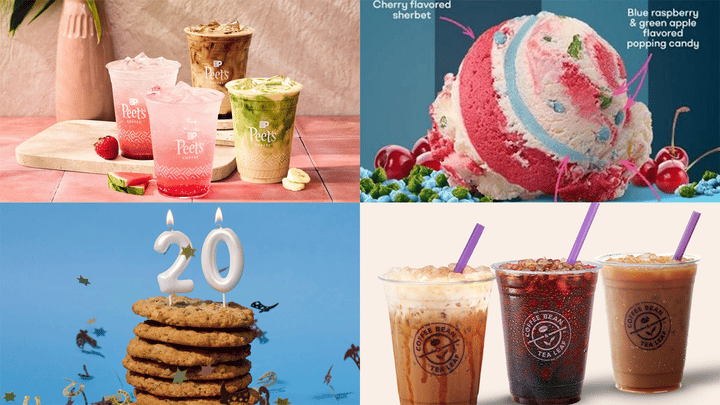
Logan's Roadhouse rolled out upgrades to its appetizer selection, focusing on shareable plates that encourage higher ticket averages. Mendocino Farms, the fast-casual sandwich chain, developed vegetable-forward sandwiches targeting health-conscious diners. Peet's Coffee added cold beverage options to compete with coffee chains during warmer months. Torchy's Tacos introduced regional taco specials reflecting local ingredient sourcing and culinary trends.
These moves reflect broader industry patterns. Chains use menu innovation to combat traffic declines and retain loyalty in markets saturated with competitors. Limited-time offerings create urgency and generate social media buzz. New items also test consumer preferences before wider rollouts, letting operators gather data on what drives profitability.
The innovation pace has accelerated as customers demand novelty and personalization. QSR operators now launch multiple menu cycles annually rather than seasonally. Success depends on execution: items must align with brand identity, supply chain capabilities, and target demographics. A misstep wastes production costs and shelf space.
These additions signal chains understand menu fatigue drives transaction losses. Whether they land depends on execution and pricing. Consumers vote with their wallets, and chains that deliver authentic flavors and genuine innovation sustain momentum.