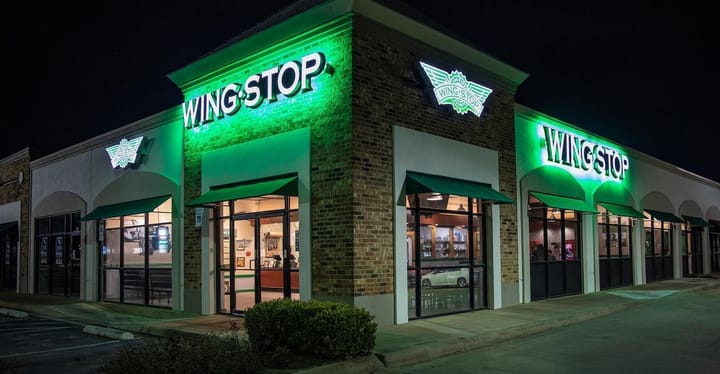
# Starbucks and Wingstop Face Mounting Pressure Over Swipe Fees
Major restaurant chains including Starbucks and Wingstop are confronting rising costs from credit card processing fees, a persistent challenge reshaping restaurant economics across the industry.
Swipe fees, the charges card networks levy on each transaction, consume significant portions of restaurant margins. For high-volume operations like Starbucks, these fees accumulate quickly across thousands of daily transactions. Wingstop, which operates primarily through franchisees reliant on card payments, feels the squeeze particularly acutely in its unit-level economics.
The problem intensifies as consumer behavior shifts toward digital payments. Cash transactions dwindle year over year, forcing restaurants to accept more card payments despite the associated costs. A single percentage-point increase in swipe fees can translate to millions of dollars annually for large chains.
Restaurant operators have limited leverage. They cannot easily refuse card payments without alienating customers. Many have attempted to absorb costs or quietly raise menu prices to offset losses, but this approach risks commoditizing their offerings and inviting customer backlash.
Industry advocates push for regulatory intervention. The Restaurant Law Center and the National Restaurant Association have called for fee caps and greater transparency in pricing structures. These efforts mirror similar battles in retail, where merchants have long protested fees they describe as monopolistic.
Some chains explore workarounds. Offering discounts for cash payments remains illegal in many states but surfaces occasionally. Others invest in loyalty programs and payment technology that bypasses traditional card networks, though adoption rates remain modest.
The Starbucks and Wingstop situation reflects a broader vulnerability in restaurant business models. As chains compete on menu innovation and customer experience, processing fees represent an invisible tax on profitability that operators cannot easily control. This dynamic forces difficult choices between margin preservation and customer convenience, ultimately shaping menu prices and unit