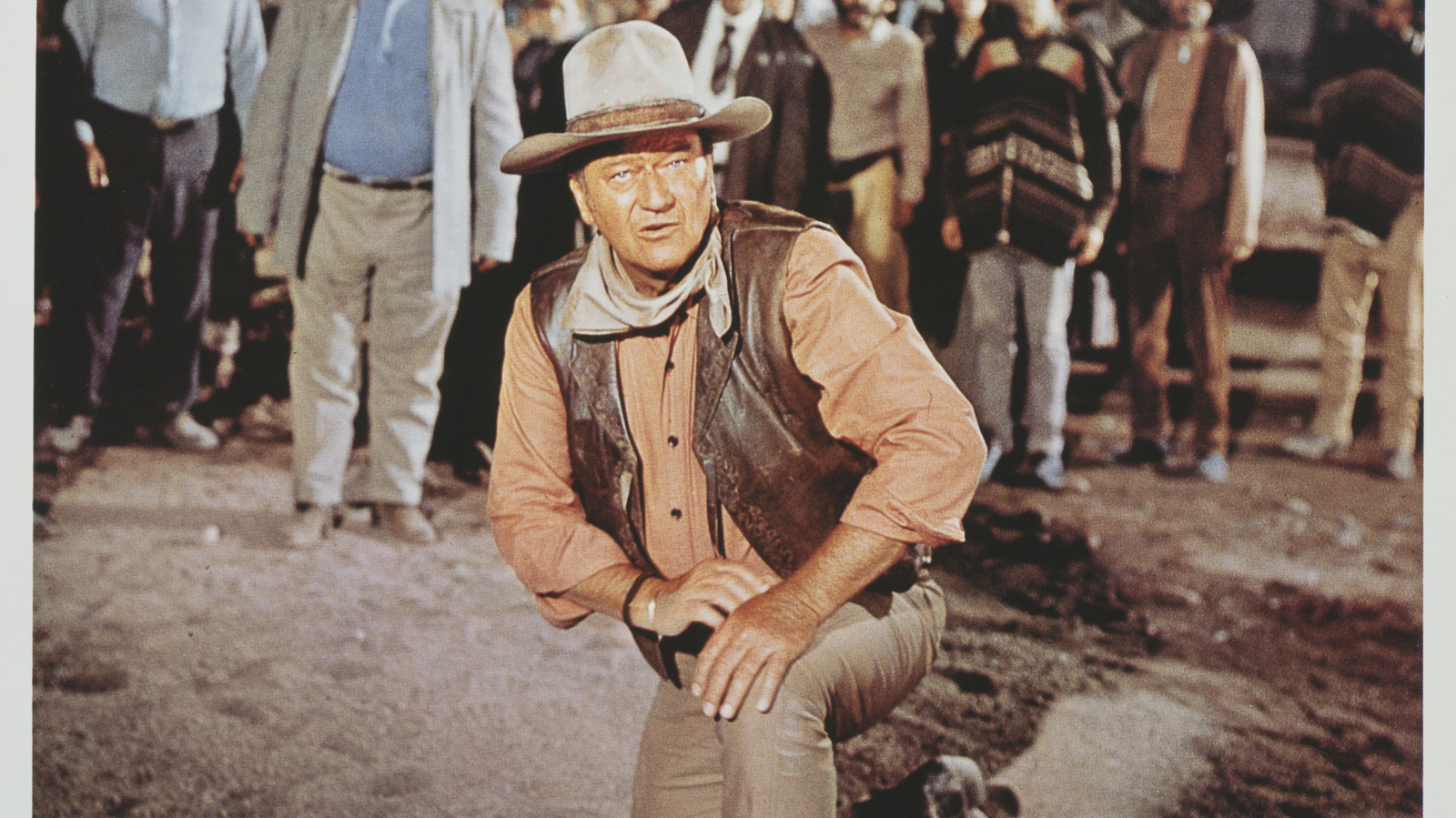
John Wayne brought his cowboy authenticity off screen into the kitchen, developing a signature method for seasoning steaks that reflected his passion for frontier cuisine. The Hollywood icon treated steak preparation with the same precision he brought to his film roles, crafting a technique that elevated simple cuts of beef into memorable meals.
Wayne's approach to cowboy steaks centered on respecting the meat itself rather than masking it with heavy sauces. He favored a straightforward seasoning philosophy using salt, pepper, and select aromatics that complemented rather than overwhelmed the beef's natural flavors. This method aligned with authentic ranch cooking traditions, where limited ingredients and direct heat defined the culinary approach.
The actor's technique reflected broader American meat culture of his era. Post-World War II prosperity had made quality beef accessible to middle-class households, and steakhouse dining became a status symbol. Wayne's cowboy persona extended this mystique, suggesting that proper steak preparation required no fancy culinary training, just knowledge passed down through generations of cattlemen and ranch hands.
Wayne's seasoning methods gained cultural resonance as his westerns dominated cinema throughout the 1950s and 1960s. Audiences consumed not just his films but also the lifestyle he represented. His approach to cooking steak became part of his broader brand, reinforcing the image of the self-sufficient frontiersman who needed no pretension or complexity.
The legacy of Wayne's steak technique persists in contemporary steakhouse culture. High-end establishments often return to simple salt-and-pepper finishes, crediting this stripped-back philosophy as superior to elaborate marinades. Wayne's approach anticipated the farm-to-table movement's emphasis on ingredient quality over technique complexity, proving that sometimes the most enduring culinary wisdom comes from understanding your core ingredient rather than innovating around it.