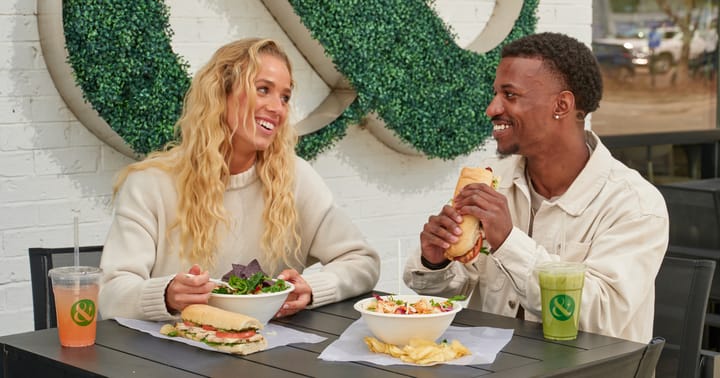
Crisp & Green, the fast-casual salad chain, is pushing beyond its core vegetable-forward menu. The restaurant now offers traditional sandwiches built on house-baked bread, expanding beyond the wraps it already featured.
This move signals a strategic shift for the chain. Salad concepts have faced headwinds as consumers balance health-conscious eating with cravings for more indulgent fare. By adding sandwiches, Crisp & Green taps into broader daypart occasions and price points. Wraps appeal to a specific segment. Sandwiches on artisanal bread reach different customers entirely.
The house-baked bread strategy matters here. Rather than sourcing commodity loaves, Crisp & Green controls quality and narrative. Fresh, made-in-house bread justifies premium pricing and differentiates the offering from quick-service competitors stocked with industrial buns.
This isn't a departure from brand identity. It's an extension. Fast-casual operators increasingly recognize that rigid menu positioning limits growth. Sweetgreen added hot bowls and grain sides years ago. Panera built its empire on sandwiches before layering in salads. Crisp & Green applies this playbook: maintain salad credibility while capturing customers seeking variety within a single visit.
The timing reflects post-pandemic consumer behavior. Americans returned to bread and comfort foods after years of low-carb trends. Restaurant data shows sandwich sales climbing across all segments. Crisp & Green's addition responds to this demand while keeping salads front and center.
Market positioning matters too. Chains that offer multiple protein and carbohydrate vehicles command higher check averages. A customer buying a sandwich and side benefits the ticket more than salad-only ordering. This diversification strengthens unit economics without diluting the health-forward brand.
The sandwich addition also addresses lunch competition. Sandwich