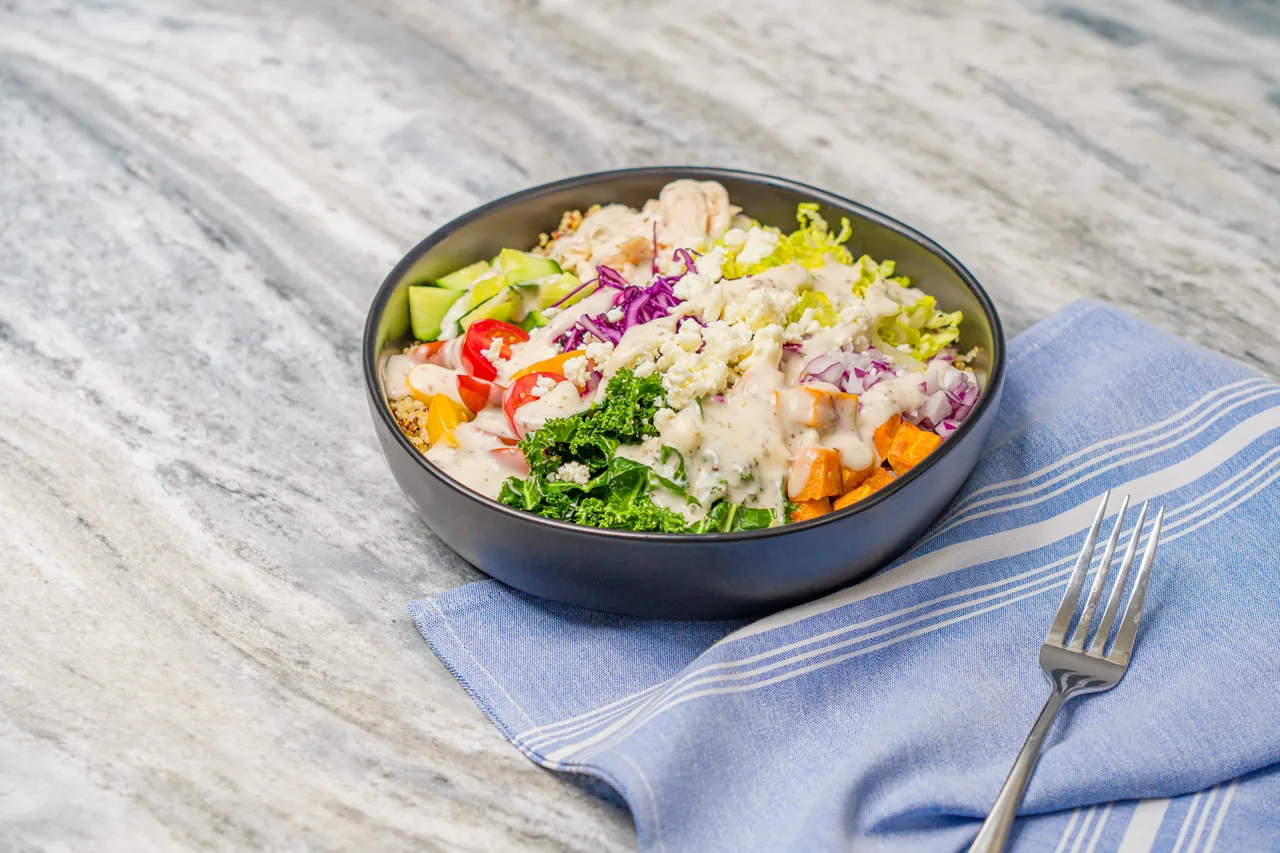
Restaurant operators are rethinking sauce programs as a business strategy that cuts costs while elevating menus. A well-executed signature sauce does triple duty: it unifies disparate dishes into a coherent culinary vision, reduces waste and ingredient sprawl in the kitchen, and builds brand loyalty when diners ask for it by name.
The math works. When chefs develop one standout sauce and deploy it across appetizers, mains, and sides, they reduce inventory complexity and kitchen labor. A roasted garlic aioli, for instance, might elevate fried vegetables, dress a fish course, and anchor a vegetable plate. One recipe. Multiple applications. Lower food cost percentage.
More importantly, signature sauces become marketing tools. Diners remember exceptional flavors. They order dishes specifically to taste that sauce again. They request bottles to take home. A restaurant's sauce becomes part of its identity in ways that straightforward proteins cannot achieve alone.
This approach appeals across restaurant categories. Casual operators use it to punch up commodity ingredients without premium sourcing costs. Fine dining kitchens use it to create menu coherence across seasonal rotations. Food trucks and ghost kitchens use signature sauces to differentiate themselves in crowded delivery markets.
The shift reflects broader industry thinking about efficiency without sacrifice. Rather than building menus first and sourcing sauces second, smart operators reverse engineer their concept. They develop a sauce worth building around, then construct dishes that showcase it. This method tightens operations while creating the illusion of thoughtful abundance.
The best restaurant sauces require technique but modest ingredients. Proper emulsification, balanced acid, controlled heat. A house chimichurri. A miso-butter glaze. A pepper coulis. Nothing complicated, but everything intentional.
This strategy particularly benefits independent operators with thin margins. Unlike large chains that subsidize menu breadth,