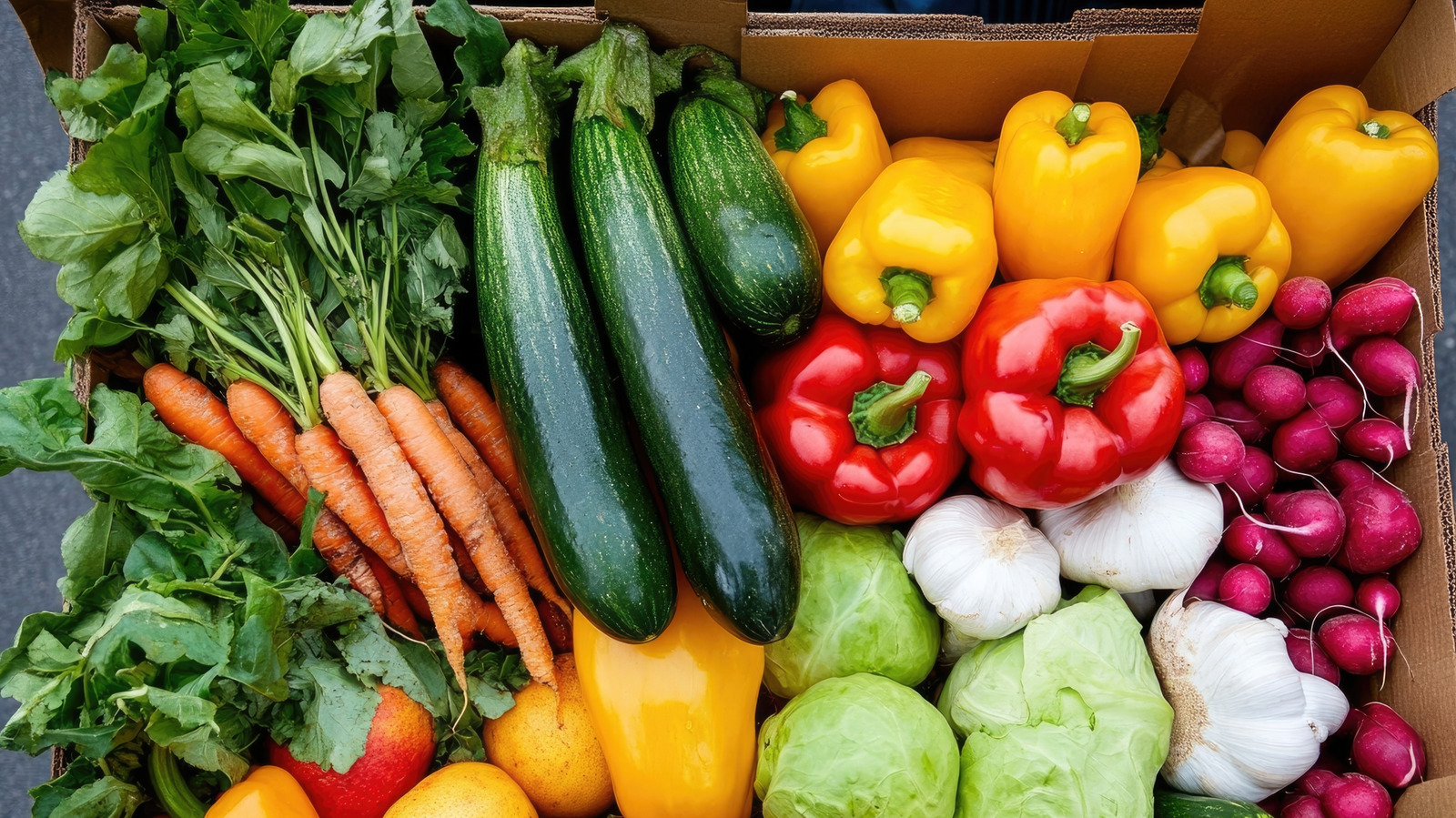
A farm share, also called a CSA (Community Supported Agriculture) subscription, connects consumers directly to farms through prepaid weekly or seasonal boxes of fresh produce. Members pay upfront, typically $20 to $30 per week, and receive whatever the farm harvests that season.
The model works like this. Farmers secure income before planting. Subscribers get seasonal vegetables, fruits, and sometimes eggs or dairy at prices often 20 to 30 percent below retail. Both parties share the risks of farming. A bad harvest means smaller boxes. A bumper crop means abundance.
Who benefits most? Families cooking at home regularly, people prioritizing local sourcing, and those willing to embrace seasonal eating. Subscribers discover vegetables they'd never buy at supermarkets. Restaurants increasingly partner with farms through shares to build menus around what grows locally, reducing supply chain costs.
The downsides are real. You cannot pick your produce. Families allergic to certain vegetables or disliking what arrives face waste. The initial commitment requires flexibility. Delivery schedules vary by farm. Some require pickup at designated locations, creating logistics problems for busy households.
Alternatives exist for those hesitant about full subscriptions. Farmers markets offer choice without commitment. Online grocers like Imperfect Foods or Misfits Market deliver discounted produce rejected by supermarkets for cosmetic reasons. Some farms sell half-shares for smaller households. Co-ops and buying clubs pool orders to negotiate wholesale prices.
The economics favor farm shares if you cook regularly and have four or more household members. Single people or those eating out frequently waste money. Geographic location matters tremendously. Rural areas near farms see better value than urban zones with high delivery costs.
Farm shares remain strongest in New England, the Pacific Northwest, and California. Growth has plateaued nationally after rapid expansion in the 2000s and 2