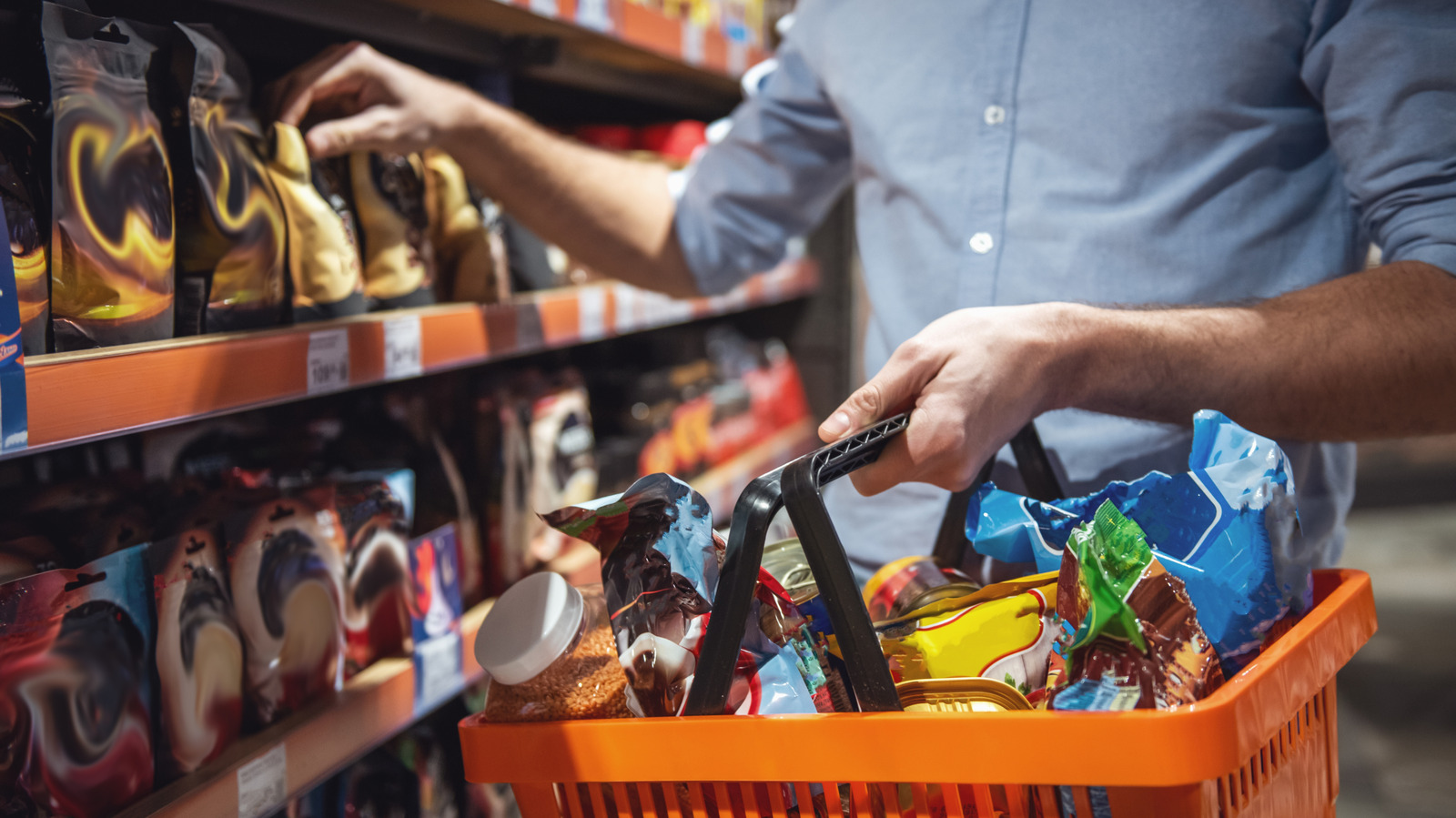
Grocery stores across America are rolling out a controversial practice that frustrates customers: shrinkflation paired with reduced shelf space and harder-to-find products. Retailers stock fewer items in prime locations, forcing shoppers to hunt through lower shelves or ask staff for help locating basics.
The strategy stems from inflation pressures and supply chain costs. Major chains including Walmart, Target, and regional grocers have consolidated their inventory, removing slower-moving SKUs to cut overhead. What retailers frame as "efficiency" customers experience as deliberate inconvenience.
The trend extends beyond shelf placement. Packages grow smaller while prices hold steady or climb. A favorite cereal brand shrinks from 18 ounces to 15 ounces at the same $4.99 price point. Dairy products disappear from familiar locations. Specialty items vanish entirely from smaller store formats.
Shoppers report longer checkout times and increased frustration. Parents who relied on specific children's snacks find them discontinued. Busy professionals accustomed to grab-and-go options navigate confusing layouts redesigned for profit margins rather than customer convenience.
The backlash builds momentum. Social media fills with complaints about "where did they move the peanut butter?" Social media users document empty shelves in their local stores. Reddit threads overflow with shoppers sharing strategies for finding products relocated to bottom shelves or back aisles.
Some grocery chains respond to feedback. Whole Foods and several regional grocers promise better organization and predictable product placement. Others dig in, arguing consolidation reduces waste and environmental impact. They frame smaller packages as portion control for health-conscious consumers.
The tension reflects broader retail economics. Stores operate on notoriously thin 1-3 percent margins. Labor costs rise. Customer traffic declines as more people shop online. Grocery chains must cut somewhere, and shoppers increasingly bear