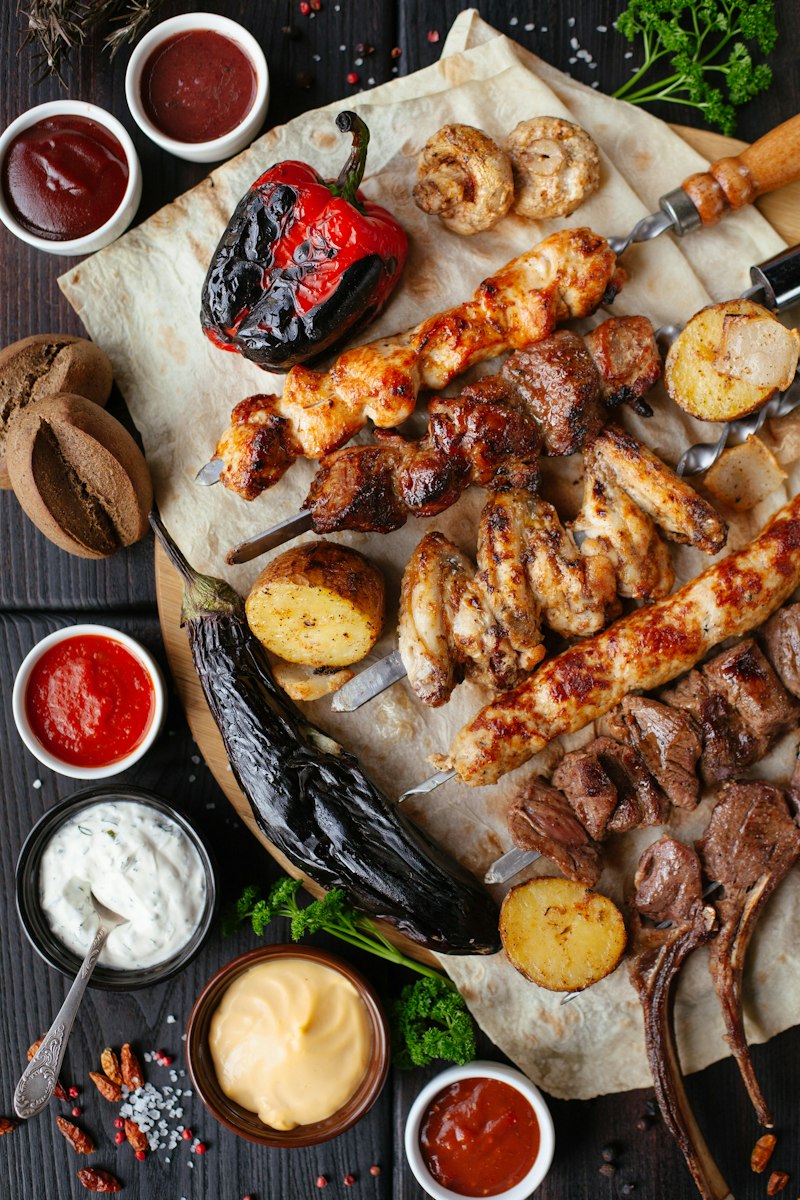
The viral embrace of dip dinner as a legitimate meal category isn't about nostalgia or laziness, though both play a role. What we're actually witnessing is a quiet structural collapse in how Americans perceive the value proposition of restaurant dining versus home preparation. The trend is a symptom, not the disease itself.
For decades, the restaurant industry operated under a foundational assumption: eating out represented convenience, expertise, and social cachet that home cooking couldn't match. You went to restaurants because they had skills you didn't, equipment you couldn't afford, and most importantly, they freed you from cooking. The transaction was straightforward.
That model is fracturing.
When "dip dinner" becomes trendy enough to trend, what we're really seeing is permission structure shifting. Consumers are explicitly saying that assembled, minimal-effort meals don't need professional sanction anymore. A charcuterie board with hummus and pita isn't casual failure. It's legitimate dining. And if that's legitimate, why pay restaurant markup for someone else to assemble it?
This connects to what's happening in retail grocery right now. Target's expanding grocery footprint, the continued consolidation of food retail, the complaints about shrinkflation and pricing: these aren't separate phenomena. They're indicators that the entire food system's value chain is recalibrating. The middle is hollowing out.
There used to be clear tiers. You had home cooking at the bottom, casual dining in the middle, and fine dining at the top. Now the bottom and top are flourishing while the middle stagnates. Home assembly is becoming socially acceptable and even celebrated. Elevated experiences that justify their cost still have customers. But the $25 burger at a casual chain? The $18 pasta? That's where friction is building.
The restaurants that are struggling aren't losing to other restaurants. They're losing to people eating assembled dinners at home and feeling fine about it.
This matters because it suggests something deeper than cyclical economic pressure or temporary inflation. Consumer psychology is shifting about what constitutes a "real meal" and what justifies spending. Social media has weaponized home food aesthetics. Instagram makes a carefully photographed dip spread look intentional rather than lazy. TikTok validates the aesthetic. Suddenly, you're not settling. You're participating in a trend.
Meanwhile, food safety concerns haven't disappeared. Litigation around product contamination, debates about what's actually in our processed foods: these create ambient anxiety about industrial food production. Home assembly feels like control. You know what's in your dip dinner because you bought it yourself.
There's also pure economics. Restaurant labor costs have shifted the math. A restaurant meal that costs $35 to $40 per person, including tip and beverage, is now genuinely comparable to a higher-quality home assembly for a similar price point. Before, restaurants offered convenience premium. Now they offer... what exactly? Ambiance that might not be worth it if you can't afford childcare anyway?
This structural shift won't kill restaurants. But it will continue forcing consolidation upward. Casual dining will keep contracting. Experiential, high-end, or authentically unique restaurants will survive and thrive. Food retail will keep adapting. And home assembly will stay legitimate.
The dip dinner trend isn't funny because people are lazy. It's culturally significant because it represents permission granted. Home food doesn't need to apologize anymore. That changes everything about how the food industry prices, positions, and sells itself.
The real story isn't about dips. It's about a generation no longer buying the implicit promise that restaurants are inherently worth the cost.