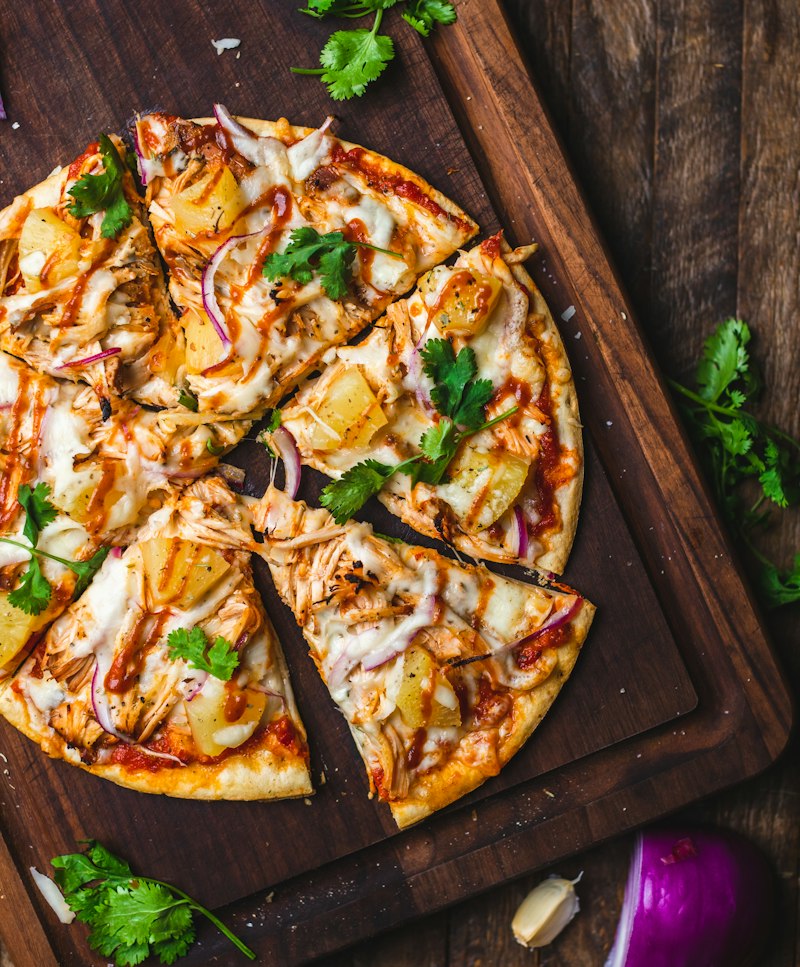
"Dip Dinner" is having a moment. So was "Girl Dinner" before it. And before that, we cycled through air fryer obsession, cottage cheese everything, and whatever else TikTok decided to make a personality trait for six weeks.
I'm not here to mock these trends. I'm here to point out what their rapid-fire nature reveals about the food industry's actual problem: We've built an entire ecosystem where cultural relevance lasts shorter than a carton of milk.
This isn't just about social media. It's about what happens when trends become the primary marketing lever for food companies operating on razor-thin margins. When a restaurant or packaged goods brand can't compete on quality, consistency, or value anymore, they chase virality instead. And virality, by definition, is unsustainable.
Look at what's happening in the market signals we can actually track. Clover Food Lab needed a financial lifeline. Target's restructuring its grocery department. Fast-casual chains are launching new sauces and menu items with the frequency of Netflix dropping limited series. None of this suggests confidence in long-term consumer loyalty. It suggests panic dressed up as innovation.
The real structural shift is this: Food companies have given up on building durable demand. Instead, they're gambling on manufactured moments.
There's a reason for this. Consumer attention is fractured. Customer acquisition costs are absurd. Supply chains are volatile. Ingredient prices swing wildly. Competing on tradition or reliability feels like a losing bet when your competitor's TikTok video just went viral. So brands accelerate the treadmill. Launch, promote, chase metrics, abandon, repeat.
This works for about three weeks. Maybe four if you're lucky.
The problem surfaces when you step back. What happens to the companies chasing trends instead of building products people actually want to keep buying? They burn cash on marketing that doesn't stick. They confuse engagement metrics with actual sales. They alienate customers who tried the novelty item and found it mediocre, then never came back.
Meanwhile, the infrastructure underneath these food businesses gets weaker. Supply relationships suffer from constant menu churn. Operations teams get whiplashed. Food safety and quality get deprioritized in the rush to capitalize on a moment. Staff turnover accelerates when the business model feels chaotic.
The winners in this environment aren't the ones winning the trend cycle. They're the ones who resist it.
Brands that have stayed focused on core competency, reasonable pricing, and operational consistency are the ones gaining market share among customers who actually have money and aren't just doom-scrolling at midnight. There's a reason people still go to McDonald's. Inconsistent as it is, there's a baseline of what you're getting.
But that's not exciting to talk about. Nobody writes hot takes about "McDonald's maintains modest quality standards." So the food media and the brands themselves keep chasing the next viral moment, and we all pretend this is progress.
Here's what I think is actually happening: The food industry is cannibalizing its own future to win the present. Every dollar spent on a trend campaign is a dollar not spent on sourcing better ingredients, paying workers more, or building systems that last. Every abandoned menu item is a signal to consumers that consistency doesn't matter here.
The structural shift hiding in plain sight is that food companies are increasingly betting their survival on manufactured culture rather than manufactured goods. That's not a trend. That's an admission of defeat. And it's unsustainable.
The question isn't whether the next viral food moment will happen. It will. The question is whether anyone will remember it happened, or if it'll just blur into the dozens of others we've already forgotten.